

Social media copywriting has evolved far beyond writing catchy captions or clever one-liners. In 2026, with shrinking attention spans, algorithm-driven feeds, and fierce competition for visibility, the words you choose can make or break your social media performance. Strong copy is no longer optional; it’s the engine that drives discovery, engagement, and action across platforms.
Great social media copy helps your content stand out in crowded feeds, sparks meaningful conversations, and nudges audiences toward clicks, sign-ups, or purchases. When paired with the right visuals and timing, well-written copy can amplify reach, improve engagement rates, and turn passive scrollers into loyal followers and customers.
This guide is designed for marketers, social media managers, copywriters, and business owners who want to write with purpose and impact. Whether you’re managing brand accounts, running campaigns for clients, or promoting your own business, you’ll find practical best practices, real-world tips, and actionable examples to help you write social media copy that actually works.
Social media copywriting is the art and strategy of writing text specifically designed for social media platforms to capture attention, encourage interaction, and drive action. It includes everything from captions and comments to ad copy, hashtags, and calls to action—crafted to work in fast-scrolling, mobile-first environments.
Mostly, social media copywriting focuses on communicating a message clearly and persuasively in a very limited space. The purpose isn’t just to inform, but to spark engagement—likes, comments, shares, clicks, saves, or conversions—while staying aligned with a brand’s voice and audience expectations.
Good social media copy:
- Stops the scroll
- Adds context to visuals or videos
- Encourages conversation or action
- Strengthens brand personality and trust
How It Differs from Traditional Copywriting?
Unlike traditional copywriting (used in blogs, print ads, emails, or landing pages), social media copywriting is:
- Shorter and faster: Messages must be understood in seconds, not minutes.
- Platform-specific: Each network has its own tone, format, and best practices.
- Conversation-driven: It invites replies, reactions, and participation rather than one-way communication.
- Algorithm-aware: Copy is written with engagement signals in mind, not just readability.
While traditional copy often educates or persuades over time, social media copy aims for immediate impact and interaction.
Effective social media copywriting directly supports business and marketing goals by driving:
- Engagement: Likes, comments, shares, saves, and conversations that boost visibility.
- Clicks: Encouraging users to visit a link, profile, or landing page.
- Conversions: Turning attention into actions such as sign-ups, purchases, downloads, or inquiries.
When done right, social media copywriting transforms passive scrolling into meaningful engagement and measurable results.
Each social media platform has its own audience behavior, content format, and unwritten rules. Copy that performs well on one platform may fall flat on another. Here’s how to adapt your copy, along with examples of what works and what doesn’t for each social platform.
Instagram Copywriting Tips
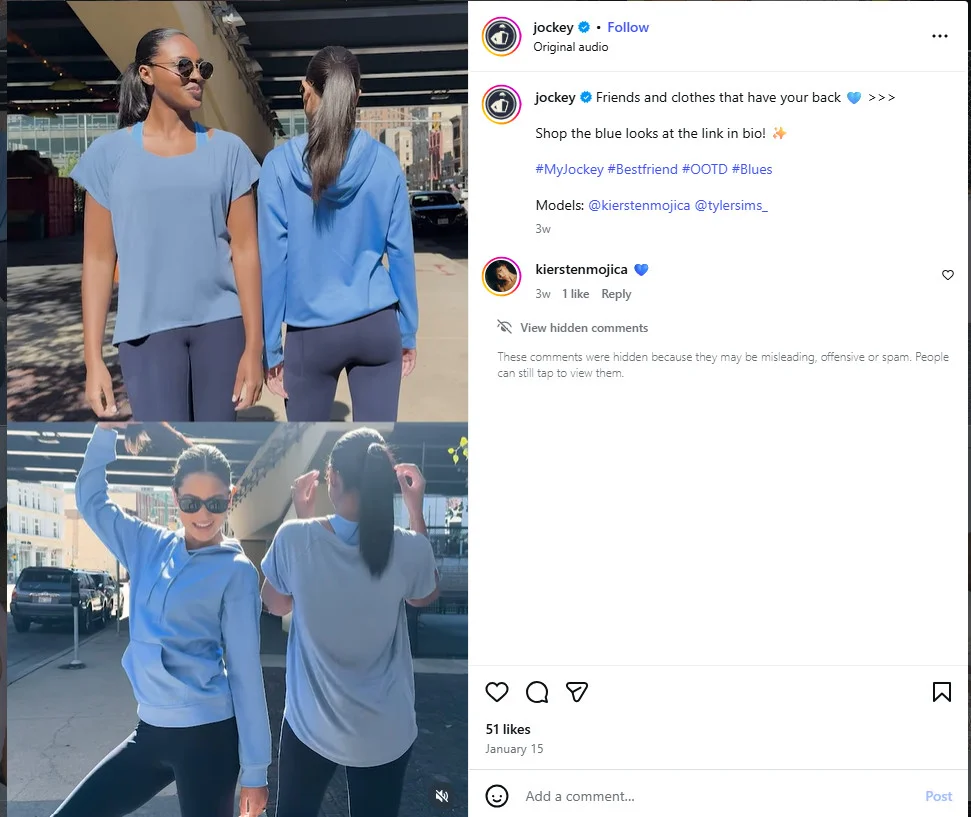
Instagram is highly visual, but your caption plays a critical role in stopping the scroll and driving engagement.
Caption Length Norms: Short captions (1–2 lines) work well for quick updates or visuals that speak for themselves, while longer captions perform better for storytelling, education, or thought leadership.
Line Breaks, Emojis, and CTAs:
- Use line breaks to improve readability
- Emojis help guide the eye and add personality (use sparingly)
- CTAs should encourage saves, comments, or profile visits
Hashtag Placement: Place hashtags at the end of the caption or in the first comment to keep the main copy clean. Focus on relevant, niche hashtags instead of maxing out all 30.
Story Copy Best Practices:
- Keep text minimal and high-contrast
- Use action-oriented language
- Pair copy with stickers (polls, questions, sliders) to boost interaction
To make writing captions easier and more effective, try our free Instagram Caption Generator tool to create engaging, conversion-focused captions in seconds.
Facebook Copywriting Tips
Facebook supports a wider range of content formats, from long captions to short video hooks.
- Longer Captions vs Short Clips: Long-form captions work well for storytelling, personal posts, and educational content. For videos and Reels, focus on a strong opening line in the first sentence.
- Engagement-Driven CTAs: Encourage comments, shares, or reactions rather than just clicks. Questions and opinion-based prompts perform especially well.
- Group and Community Copy: In Facebook Groups, conversational and value-driven copy works best. Avoid promotional language and focus on starting discussions.

To craft scroll-stopping posts effortlessly, use our free Facebook Caption Generator tool to create engaging, high-converting captions in seconds.
X (Twitter) Copywriting Tips
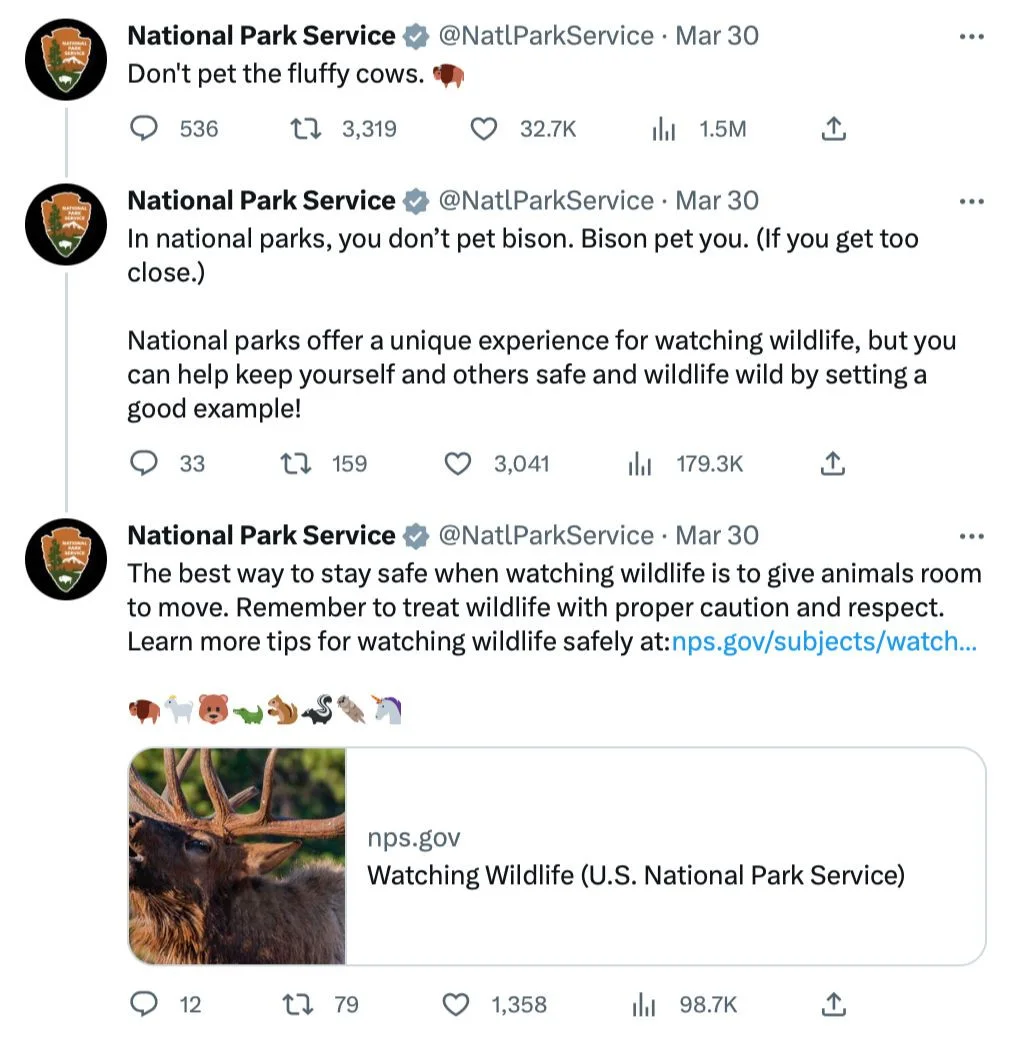
X rewards clarity, relevance, and timeliness. Every character counts.
- Super-Short Copy Optimization: Focus on one idea per post. Remove filler words and get straight to the point.
- Thread Storytelling Strategies: Use threads to expand on ideas, share step-by-step tips, or tell short stories. The first tweet should create curiosity or promise value.
- Trending Topic Engagement: Participate in trends only when they align naturally with your brand voice or expertise.
LinkedIn Copywriting Tips
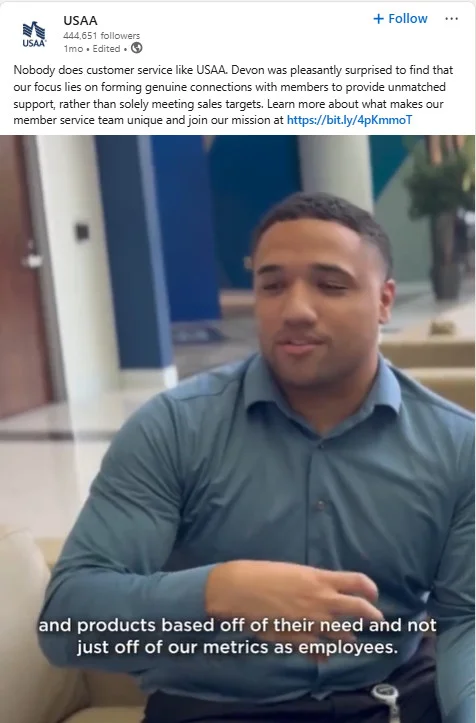
LinkedIn audiences expect professional, educational, and insight-driven content.
- Professional and Educational Tone: Write in a clear, confident voice without sounding corporate or sales-heavy.
- Value-First Copy for B2B: Lead with insights, lessons, or data before mentioning products or services.
- Headline and Lead Hooks: The first 1–2 lines matter most. Use them to challenge assumptions or share a key takeaway.
To write compelling, professional posts that spark engagement, try free LinkedIn Post Generator tool to create high-quality LinkedIn content in seconds.
TikTok Copywriting Tips
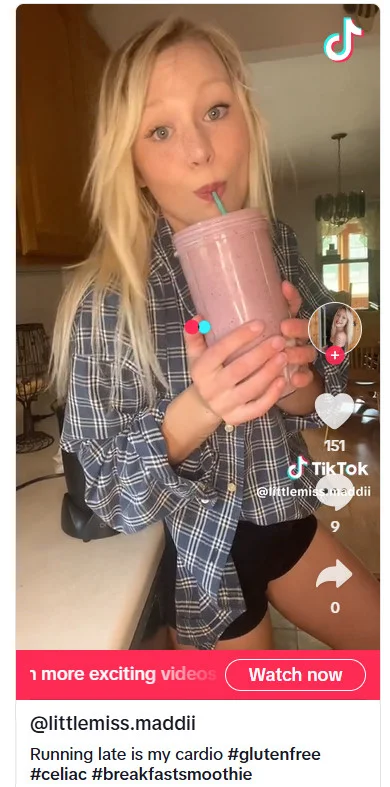
On TikTok, copy supports the video, but it doesn’t lead it. Your words should feel natural and creator-like.
- Text Overlays and UGC Prompts: Use short, punchy text overlays that reinforce the video’s message or hook viewers emotionally.
- Conversational Hooks for Short-Form Video: Write the way people speak. Questions, curiosity-driven phrases, and direct statements work best.
- Trend Usage with Copy: When using trends, adapt the caption and overlay text to your niche instead of copying generic phrases.
To create catchy, trend-ready captions that boost visibility, try our TikTok Caption Generator tool to generate engaging TikTok captions in seconds.
These principles form the foundation of effective social media copywriting. They guide how you think before you write and ensure your message resonates with the right audience in the right way.
1. Know Your Audience Before You Write
Social media copy is only effective when it speaks directly to the reader’s needs, challenges, and motivations. Understanding your audience allows you to choose the right tone, language, and message. This includes knowing their pain points, level of awareness, and what success looks like for them.
Example:
“Too many tasks, not enough time? Organize your entire workday in one place.”
To better understand who you’re targeting and how to refine your messaging, explore social media audience analysis guide and learn how to identify insights that strengthen your content strategy.
2. Adapt Your Copy to Each Platform
Every platform has its own culture, content style, and user expectations. Writing platform-specific copy ensures your message feels natural instead of forced. Adapting tone and length improves engagement and credibility.
Example:
- LinkedIn: “Here’s how brands use data to improve content performance.”
- Instagram: “Posting consistently but not seeing results? Try this 👇”
- X (Twitter): “Low reach? Fix this one thing.”
3. Be Clear, Concise, and Easy to Scan
Most users skim social media content rather than reading it word-for-word. Clear, concise copy with short sentences and line breaks makes your message easier to consume quickly and increases the chance of engagement.
Example:
Plan faster. Collaborate better. Get more done.
4. Hook Attention in the First Line
Your opening line determines whether users stop scrolling or move on. A strong hook immediately signals value, relevance, or curiosity, encouraging users to read the rest of your post.
Example:
Posting daily but still not growing?
5. Focus on Benefits, Not Features
Features describe what a product or service does, while benefits explain how it improves the user’s life. Social media audiences care more about outcomes than technical details.
Example:
Know exactly which posts drive results and why.
6. Set One Clear Goal Per Post
Every post should focus on a single objective like engagement, clicks, or awareness. Multiple goals in a single post dilute your message and confuse your audience.
Example:
- Engagement goal → Ask a question
- Traffic goal → Highlight link value
- Awareness goal → Share insight or tip
7. Write as If You’re Speaking to One Person
Personal, direct language makes your copy feel conversational and relatable. Writing to one reader creates a stronger emotional connection than addressing a crowd.
Example:
If your content isn’t converting, this will help.
Once the foundation is set, these best practices help you execute better copy day to day and improve performance over time.
1. Use a Clear and Action-Oriented CTA
A call to action tells users exactly what to do next. Without a clear CTA, even well-written posts can fail to convert. The more specific and relevant the CTA, the better the results.
Example:
❌ “Learn more.”
✅ “Save this for later.”
✅ “Comment ‘YES’ if this helped.”
2. Write in Active Voice
Active voice makes your copy more direct, confident, and engaging. It keeps sentences simple and helps readers understand your message instantly.
3. Use Emojis and Visual Cues Strategically
Emojis can enhance readability, add personality, and guide attention, but only when used intentionally. Overuse can reduce clarity or appear unprofessional. If you’re unsure about best practices, explore this guide on how to use emojis effectively in social media marketing to strike the right balance.
Example:
3 caption mistakes hurting your reach 👇
4. Leverage Trends Thoughtfully
Trends can amplify reach, but only when they align with your brand message. Jumping on trends without relevance can confuse your audience or dilute brand identity.
Keeping up with current social media trends, from trending Reels formats and TikTok challenges to emerging LinkedIn and YouTube content styles, helps you create timely content that feels relevant without forcing it.
5. Engage After Posting
Copywriting doesn’t end when the post goes live. Responding to comments and continuing conversations builds trust, strengthens community, and boosts reach through platform algorithms.
Example:
Replying to comments with follow-up questions or added insights.
6. Test, Measure, and Refine Your Copy
Performance data helps you understand what resonates with your audience. Testing hooks, CTAs, and formats allows you to improve results over time.
Example:
Testing: “Stop scrolling.” vs “Quick tip for better reach” and scaling the higher-performing version.
7. Avoid Jargon and Over-Promotional Language
Clear, human language builds trust. Buzzwords, excessive hype, and all-caps often reduce credibility and engagement.
Storytelling in social media copy isn’t about long narratives; it’s about creating a clear emotional arc within a few lines. Strong stories follow a simple flow: a relatable situation, a conflict or insight, and a takeaway the reader can apply.
Using mini-stories helps your audience see themselves in the content, which increases saves, comments, and shares.
Example:
Last month, one post flopped. We changed the hook, and the next one reached 3 times as many people. Here’s what worked.
9. Use Copywriting Formulas (AIDA, PAS, 4 C’s) for Consistent Results
Copywriting formulas remove guesswork and help maintain consistency across posts, ads, and captions. They’re especially useful when writing under time pressure or for performance-driven content.
- AIDA works best for promotions and launches
- PAS is effective for problem-aware audiences
- 4C’s ensure clarity and credibility in professional posts
Example (PAS):
Struggling with low engagement?
Your copy isn’t the problem; your hook is.
Here’s how to fix it in 10 seconds.
10. Use “Open Loops” Across Multiple Posts
Instead of closing every thought in one post, tease upcoming content to encourage repeat engagement and profile visits. This technique works especially well for LinkedIn, Instagram carousels, and X threads.
Example:
Part 2 drops tomorrow, and that’s where most brands get it wrong.
Great social media copy doesn’t just inform; it motivates action. The most effective posts tap into human psychology and emotions that influence how people scroll, click, save, or comment. Below are key emotional triggers used in high-performing social media copy, along with simple, real-world examples.
1. Curiosity:
Curiosity works by creating an information gap enough to spark interest, but not enough to satisfy it. The goal is to make users want to stop scrolling and learn more.
How to use it:
- Hint at a result without revealing the full answer
- Use “why,” “how,” or “most people don’t realize” statements
2. Urgency & Scarcity:
Urgency pushes users to act now instead of later. Scarcity reinforces this by implying limited time, availability, or opportunity.
How to use it:
- Time-bound offers
- Limited spots, seats, or access
- Clear deadlines
People trust what others already trust. Social proof reassures users that a product, idea, or action is validated by real people.
How to use it:
- Share numbers, testimonials, or recognizable brands
- Highlight user-generated content or community activity
4. FOMO (Fear of Missing Out):
FOMO works by highlighting what someone might lose if they don’t take action. It’s especially powerful on fast-moving social platforms.
How to use it:
- Emphasize trends, updates, or limited access
- Show what others are already doing
5. Relevance & Personalization:
When copy feels personal, it feels important. Speaking directly to a specific audience makes your message more relatable and engaging.
How to use it:
- Call out roles, industries, or situations
- Use second-person language (“you,” “your”)
Even the best marketers slip up when it comes to social media copy. But here’s the thing, your audience doesn’t wait around for a second chance. Let’s make sure your copy hits the mark every time by avoiding these common mistakes.
1. Writing Without a Clear Objective or CTA
A post without a clear goal or CTA (Call to Action) is like sending a customer into a store with no signs or checkout counter; it leads nowhere.
What Happens if You Don’t Fix It?
If your copy doesn’t guide your audience, they’ll scroll right past it. Whether it’s engagement, clicks, or conversions, every post should move your audience toward an action.
Instead of: “Our new product just launched!”
Try: “Our newest tool is here! Want early access? Drop a heart emoticon in the comments!”
2. Being Too Salesy & Ignoring Audience Engagement
Your audience doesn’t log into social media to get bombarded with sales pitches. They’re there for conversations, not commercials.
What Happens if You Don’t Fix It?
If your copy sounds like a pushy infomercial, people will tune out, unfollow, or, worse, ignore your brand altogether. The less engagement you get, the harder it becomes to reach your audience.
Instead of: “Sign up for our service today and grow your business!”
Try: “What’s the biggest challenge in growing your business? Let’s talk in the comments!”
Too many hashtags look spammy, and overusing emojis can make your post feel cluttered and less readable.
What Happens if You Don’t Fix It?
Posts overloaded with hashtags and emojis look unprofessional and get penalized by platform algorithms. Your post might not even show up in search results!
Instead of: “Get your dream website now! #Website #BusinessGrowth #DigitalMarketing #SEO #Branding #OnlineSuccess”
Try: “Need a website that converts? Let’s build it together. #WebsiteSuccess #SmallBizGrowth”
4. Ignoring Platform-Specific Practices
Each platform has its own rules of engagement. What works on LinkedIn won’t necessarily perform well on Instagram or Twitter (X).
What Happens if You Don’t Fix It?
Using the same copy-paste approach across platforms means missing out on higher engagement and conversions. Customizing copy for each platform maximizes its impact.
Instagram: Short, snappy captions + hashtags + emojis.
LinkedIn: Professional, value-driven content + a strong CTA.
Twitter (X): Witty, direct, and conversation-sparking tweets.
5. Failing to Proofread & Edit Before Posting
A small typo or grammar mistake can hurt your credibility.
What Happens if You Don’t Fix It?
One typo can make your brand look unprofessional and careless. If your audience spots frequent errors, they might question your attention to detail, even in your products or services. That’s why proofreading your copy is essential.
To make the process easier, you can use an online tool like the plagiarism and grammar checker by Grammarly. It helps you spot and fix grammatical errors while ensuring your content is original.
Instead of: “Your going to love this new feature!”
Try: “You’re going to love this new feature!”
6. Not Testing & Optimizing Copy for Performance
Posting without testing is like throwing darts in the dark. If you don’t experiment with different copy styles, you’ll never know what truly resonates.
What Happens if You Don’t Fix It?
Without testing and tweaking, you’re guessing what works instead of knowing. That means you could be missing out on higher engagement and conversions.
Test this: “DM us for details!” vs. “Want in? Let’s chat today!”
Analyze: Which version gets more DMs? More clicks? More responses?
Crafting compelling social media content requires a blend of creativity and the right tools. These tools streamline the content creation process and enhance the quality of your posts. Here are five indispensable tools that can elevate your social media writing in 2023:
Creating high-performing social media copy doesn’t have to be time-consuming. SocialPilot’s AI Pilot will help you write faster, sharper, and more platform-optimized content in seconds.
- AI-Powered Post Generation: Generate engaging captions tailored to your desired tone—professional, witty, persuasive, or conversational. The tool helps craft platform-ready copy aligned with your goals.
- Automatic Hashtag Suggestions: AI Pilot analyzes your content and recommends relevant, high-impact hashtags to improve discoverability and reach.
- Platform-Specific Copy Adaptation: Easily edit and optimize the same post for Instagram, LinkedIn, Facebook, TikTok, and more—ensuring formatting, tone, and length fit each platform’s best practices.
- Free Post & Caption Generators: In addition to AI Pilot, SocialPilot offers free caption and post generator tools for platforms like Instagram, Facebook, LinkedIn, and TikTok—helping you overcome writer’s block instantly.
By combining AI copywriting, hashtag generation, post customization, and content organization in one place, SocialPilot streamlines the entire social media copywriting workflow.
2. ChatGPT: AI-Powered Copywriting Assistant
ChatGPT is widely used for brainstorming hooks, rewriting captions, generating platform-specific variations, and creating high-converting social posts. It can help with idea generation, tone shifts, CTA suggestions, and even adapting one post into multiple versions for different platforms.
3. Jasper: Conversion-Focused AI Writing
Jasper is designed for marketing-focused copywriting. It helps generate persuasive captions, ad copy, product descriptions, and campaign messaging. With built-in templates and brand voice controls, it supports consistent, conversion-driven social media content.
4. Copy.ai – Creative Copywriting AI
Copy.ai specializes in creative, conversion-oriented social media copy, hooks, and CTA lines. It’s great for testing multiple messaging variants without the manual brainstorming.
5. Writesonic – AI Marketing Copy Assistant
Writesonic helps generate catchy captions, storytelling posts, ad copy, and content variations quickly. With templates fine-tuned for social platforms, it’s ideal for marketers who want creative options with minimal effort.
6. Grammarly: Polish and Optimize Your Copy
Grammarly now goes beyond grammar correction. With AI-powered rewriting suggestions, tone adjustments, clarity improvements, and brand voice consistency features, it helps refine social media captions before publishing. It’s especially useful for tightening hooks, improving readability, and ensuring professional communication across platforms.
7. TextToHuman – AI Humanizer for Natural-Sounding Copy
AI copywriting tools such as ChatGPT, Jasper, Copy.ai, and Writesonic create copy in a matter of seconds. Sadly, it‘s usually robotic and formulaic. TextToHuman is a humanize ai tool that takes AI-generated captions and rewrites them into a more natural-sounding, conversational copy so your Insta reads more like a real person wrote them, not a robot.
Next Steps for Better Social Media Copy
Social media copywriting isn’t just about writing catchy lines; it’s about communicating value clearly, quickly, and consistently in a crowded feed. The right words can stop the scroll, spark conversations, and move people from interest to action.
By understanding platform-specific nuances, using psychological triggers, and applying proven copywriting techniques, you can turn everyday posts into high-performing content. When copy is intentional and audience-focused, it doesn’t just boost engagement—it builds trust, strengthens brand voice, and drives real business results.
To simplify execution and scale your efforts, use tools that support smart workflows. With SocialPilot’s free copywriting tool, you can write captions and hashtags for social media posts faster and more effectively.
Explore SocialPilot’s pricing plans to manage, publish, and analyze your content with ease and treat every caption as an opportunity to connect, not just promote.


 Join 55,000+ social media managers


