YouTube’s algorithm in 2026 is smarter, faster, and far more personalized than ever before. It no longer rewards clickbait or keyword stuffing alone, watch satisfaction, viewer behavior, topic relevance, and retention now play a much bigger role in how videos get recommended.
The challenge? Many creators are still optimizing for outdated tactics while YouTube continues shifting toward viewer-first recommendations.
In this guide, we’ll break down how the YouTube algorithm works, what changed recently, and the practical strategies creators and brands can use to increase visibility, views, and long-term channel growth.
Key Takeaways:
- The YouTube algorithm decides what videos appear on your homepage, Shorts feed, suggested section, and search based on each viewer’s behavior and interests.
- Viewer satisfaction, not raw watch time is now the primary ranking signal. A short video that viewers finish and like beats a long video with poor retention.
- For long-form videos, satisfaction surveys, audience retention, and the first 30 seconds of your video heavily influence broader distribution.
- For YouTube Shorts, the algorithm runs on a completely separate engine from long-form, swipe-through rate, loop rate, and shares are the signals that matter most.
- YouTube Recommendations update in real time, meaning the more viewers interact with your videos, the better your future reach becomes.
What Is the YouTube Algorithm?
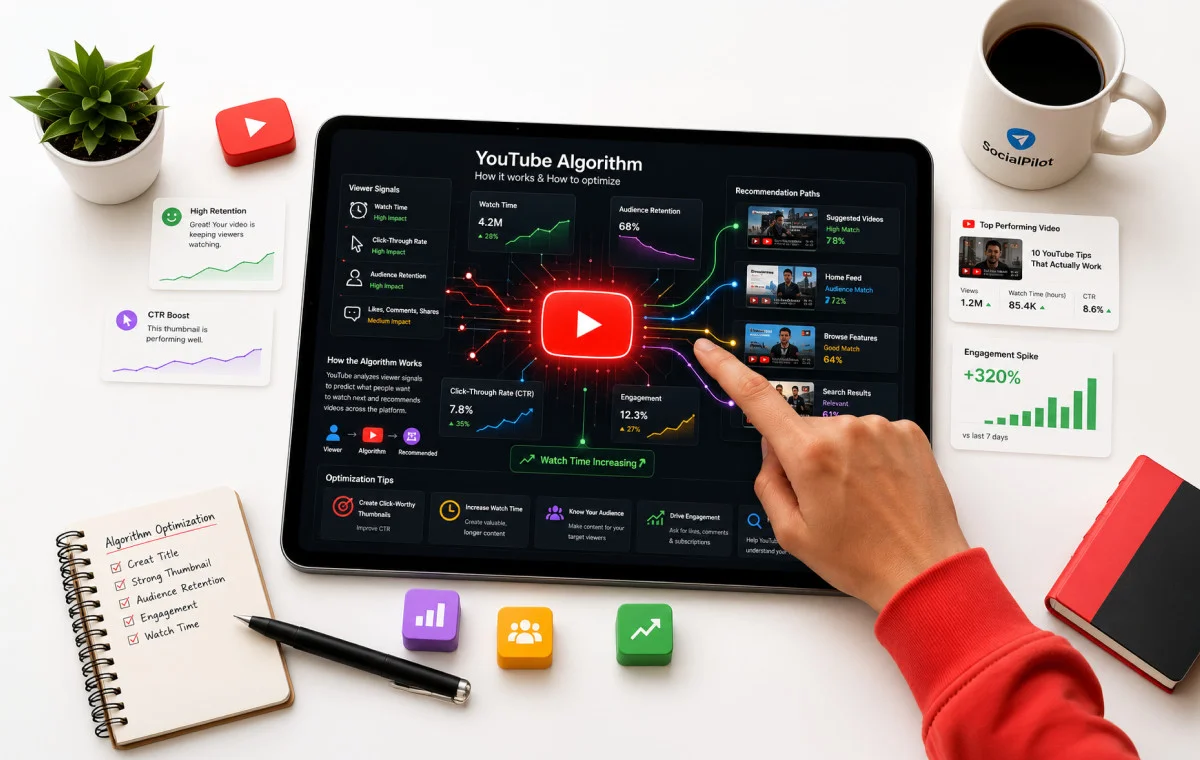
The YouTube algorithm is a complex system that recommends and ranks videos based on user behavior and video performance. Its primary goal is increasing user satisfaction and watch time by displaying content users are most likely to enjoy based on engagement patterns including likes, shares, comments, and watch time.
The system delivers personalized content to each user’s homepage, suggested videos, Shorts, and search results in real time rather than relying solely on trending content or previous history.
Latest YouTube Algorithm Updates (2025 & 2026)
YouTube’s algorithm evolves constantly, changing how videos are discovered, recommended, and ranked.
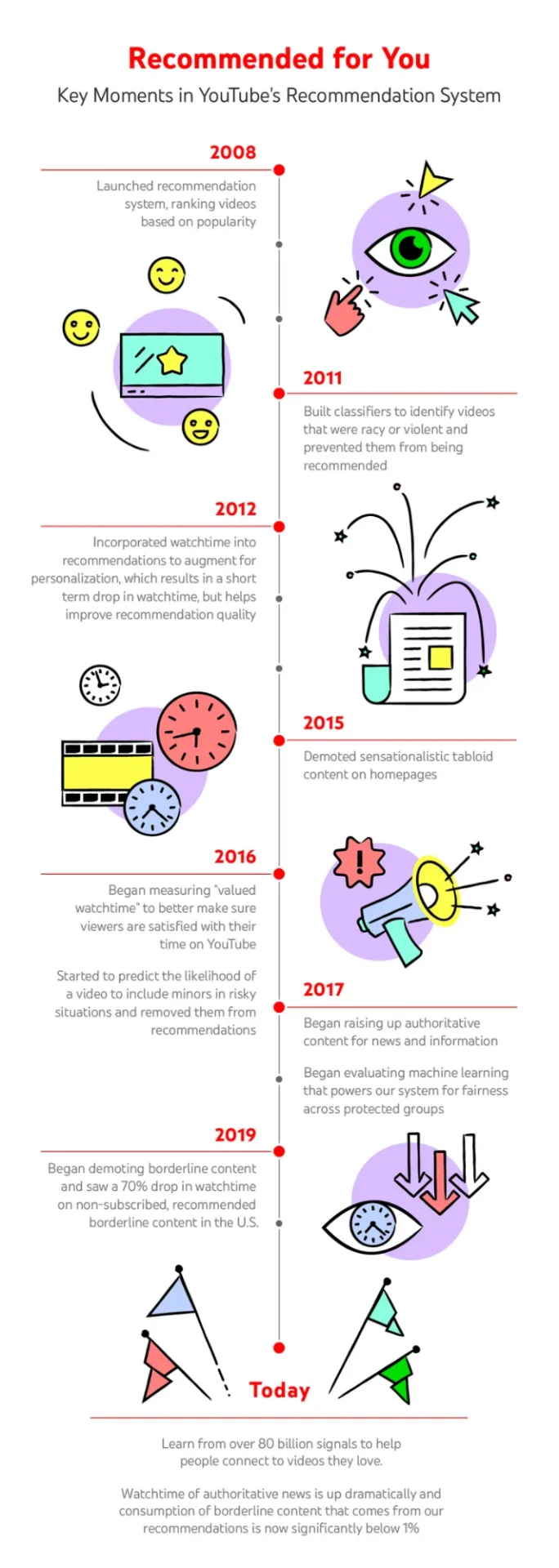
Here are the biggest confirmed updates shaping reach, watch time, and creator growth in 2025 and 2026.
August 2026: No Significant Algorithm Updates
No confirmed ranking or distribution change was detected for August 2026. Independent month-by-month trackers and YouTube’s own blog show no new recommendation or ranking mechanic for the month. The 2026 logic still applies: viewer satisfaction outweighs raw watch time, and Shorts and long-form run on separate engines. YouTube’s July activity was a Shorts player redesign (Clear Screen mode, 2x speed, tap-to-mute, timer controls) and custom Shorts thumbnails for Partner Program creators. These are interface and feature changes, not changes to how videos or Shorts get ranked or recommended. Likewise, no officially confirmed ranking or content distribution changes were announced in June, May, or April 2026.
February 2026 — Browse Feed Personalization Overhaul
YouTube overhauled how it personalizes the Browse (homepage) feed. The system now uses “viewer watch history clusters rather than broad topic categories” to decide what to surface.
Instead of recommending based on general interests like “technology” or “cooking,” the algorithm now groups viewers by specific watch behavior patterns and recommends based on those clusters. Personalization is now at the sub-niche level.
What this means for creators: If your content covers a tight sub-niche, you may see improved homepage distribution. Broad, multi-topic content has a harder time clustering, which weakens homepage reach.
Source: TechCrunch
July 2025 — AI Content Disclosure Requirements
YouTube requires creators to label AI-generated or significantly AI-altered content as “Altered or Synthetic.” The algorithm treats this label as a distribution signal:
- Properly disclosed AI content: normal algorithmic distribution
- Undisclosed AI content detected by YouTube: reduced recommendations or removal
- Mass-produced AI content without human creativity: may be demonetized (monetization eligibility enforcement began July 15, 2025)
Realistic AI-generated visuals, voices, or scenarios that could be mistaken for real footage require labeling. Failure to comply risks suppression from recommendations and removal from the YouTube Partner Program.
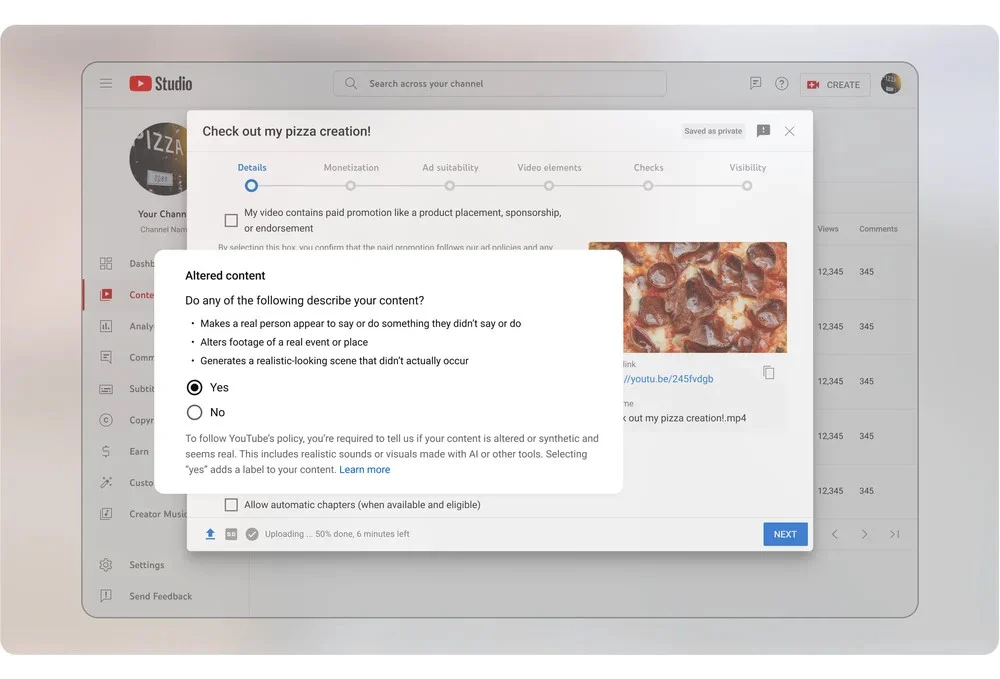
Source: YouTube Blog — Disclosing AI-Generated Content · YouTube Help — Disclosing Altered or Synthetic Content
Early 2025 — Viewer Satisfaction Becomes the Primary Ranking Signal
YouTube shifted from watch time as the dominant ranking signal to viewer satisfaction. This was confirmed through Creator Insider and statements from Rene Ritchie, YouTube’s creator liaison.
Satisfaction is now measured through:
- Post-watch surveys (“Was this video worth your time?”)
- Repeat viewing behavior
- Session continuation (whether the viewer stays on YouTube after watching)
- Likes and positive engagement signals
The first 30 seconds of every video are now a core ranking input, the strongest early predictor of downstream satisfaction.
In practice: A viewer who watches 100% of an 8-minute video and clicks “like” sends a stronger algorithmic signal than a viewer who watches 40% of a 25-minute video and leaves. Watch time still matters, but satisfaction now outweighs it.
Source: YouTube Blog — On YouTube’s Recommendation System
March 2025 — Shorts View Counting Updated
YouTube changed how it counts Shorts views, officially announced March 26, 2025 and effective March 31, 2025.
Before: A view required watching a Short for a minimum number of seconds. After: A view is counted the moment a Short starts to play or replay, no minimum watch time required.
This aligns Shorts with TikTok and Instagram Reels view-counting standards. View counts are now higher as a result. Creators who still want the original metric can find it in YouTube Analytics under Advanced Mode, now labelled “engaged views.”
Source: TechCrunch
July 2025 — Trending Page Removed, Category Charts Replace It
YouTube shut down its Trending page and Trending Now list on July 21, 2025, after a decade of operation. The platform replaced it with category-specific charts: Trending Music Videos, Weekly Top Podcast Shows, and Trending Movie Trailers, with more categories planned.
The algorithm now tracks how niche topics spread across interest groups rather than surfacing a single global or regional trending list. Niche creators benefit more from category-specific charts than from competing on a single mass-appeal trending page.
Source: TechCrunch · 9to5Google
How YouTube Algorithm Recommends and Ranks Videos
1. Engagement and Watch Behavior
YouTube tracks a range of engagement signals:
- Click-Through Rate (CTR): How often people click on your video in search or recommendations
- Watch Time & Retention: How long viewers stay and what percentage of the video they watch
- Likes, Shares & Comments: Interactions indicating perceived value
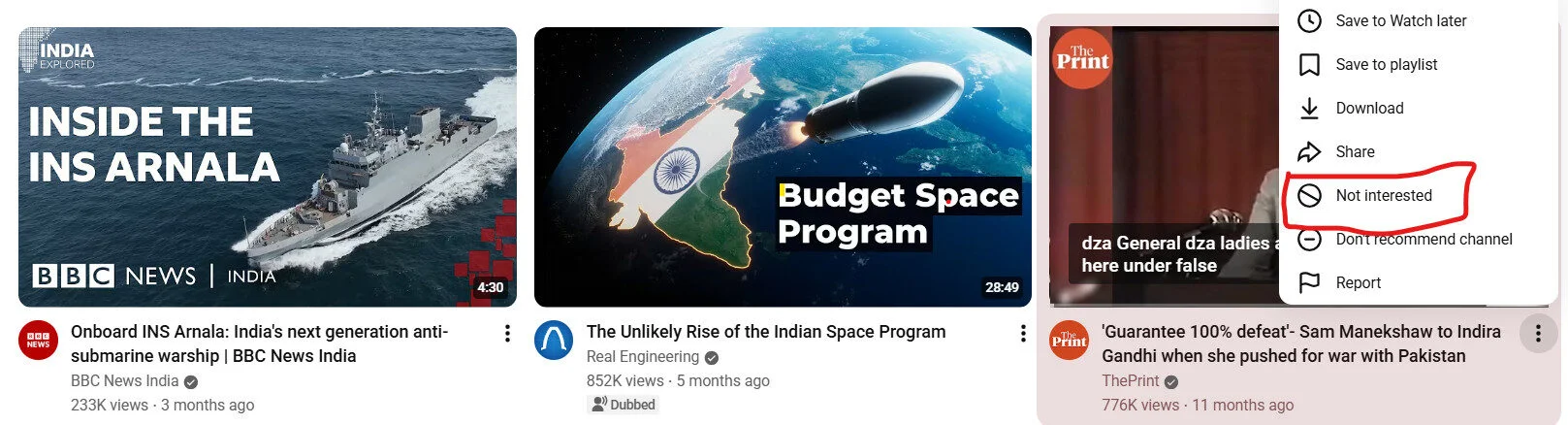
- Negative Feedback: “Not Interested” responses reduce reach to new audiences
2. Viewer Satisfaction (Now the Primary Signal)
As of early 2025, viewer satisfaction outweighs raw watch time as YouTube’s primary ranking input. YouTube measures satisfaction through:
- Post-watch surveys asking “Was this video worth your time?”
- Post-watch behavior (whether viewers remain on YouTube or leave)
- Replays and return viewers indicating high-quality content
- Session contribution, how much your video keeps viewers on the platform
Shorter videos with high satisfaction now consistently outperform longer videos with mediocre retention in recommendations.
3. Personalized Recommendations
Each user sees different homepage recommendations based on:
- Watch history and daily viewing patterns
- Time of day and device preferences
- Viewing frequency and habits
- Niche preferences and subscribed channels
4. Content Relevance and Expertise
YouTube’s algorithm understands video content, problem-solving approach, tone, and structure. The system classifies videos by expertise level (beginner-friendly, intermediate, expert-level) ensuring viewers see content matching their knowledge.
5. Long-Term & Evergreen Relevance
YouTube resurfaces years-old long-form content in 2026 for niches that maintained relevance over time. A well-optimized tutorial from 2022 can reappear in recommendations if it continues to satisfy viewers watching similar content today.
6. Global and Multi-Language Optimization
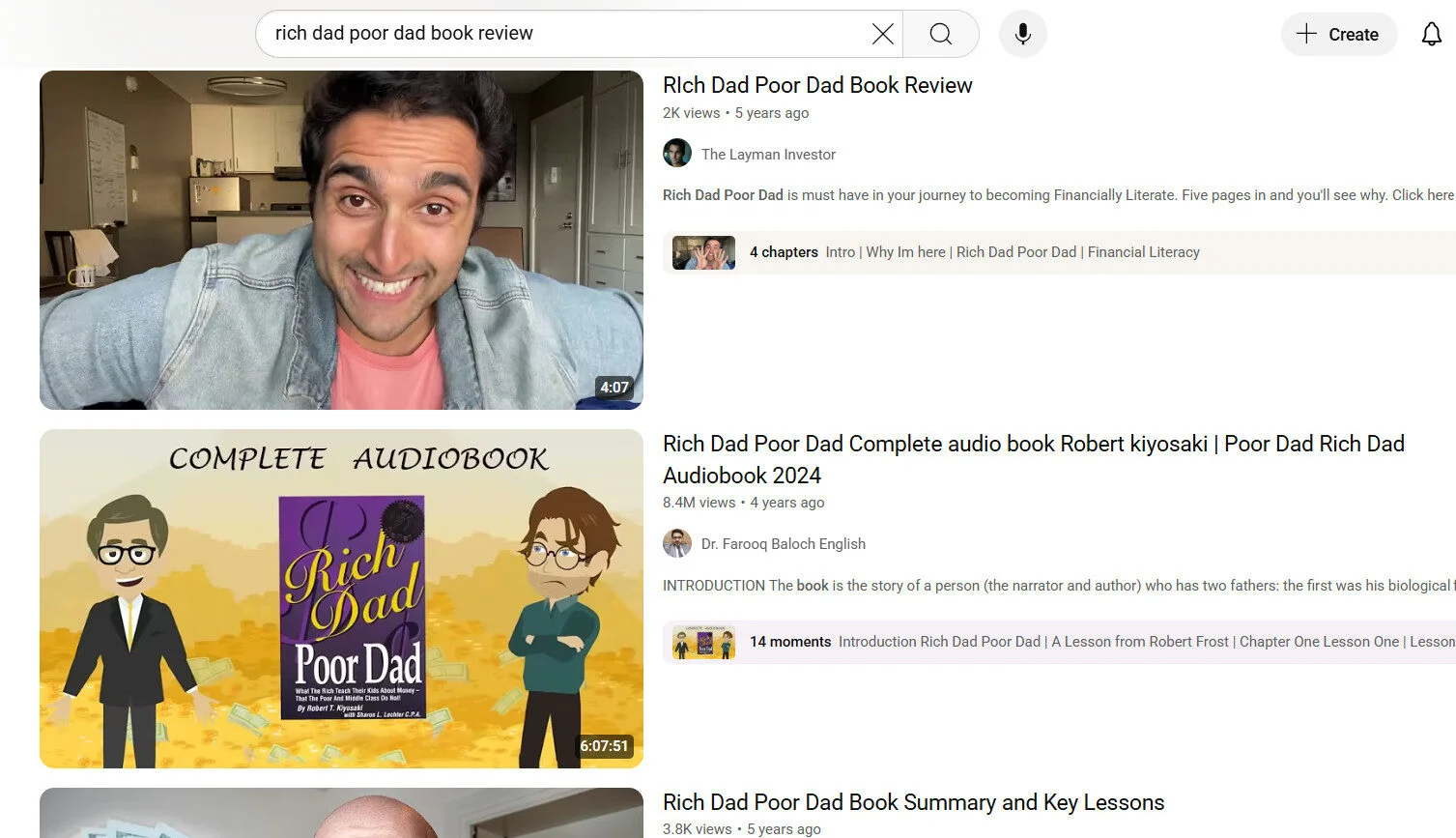
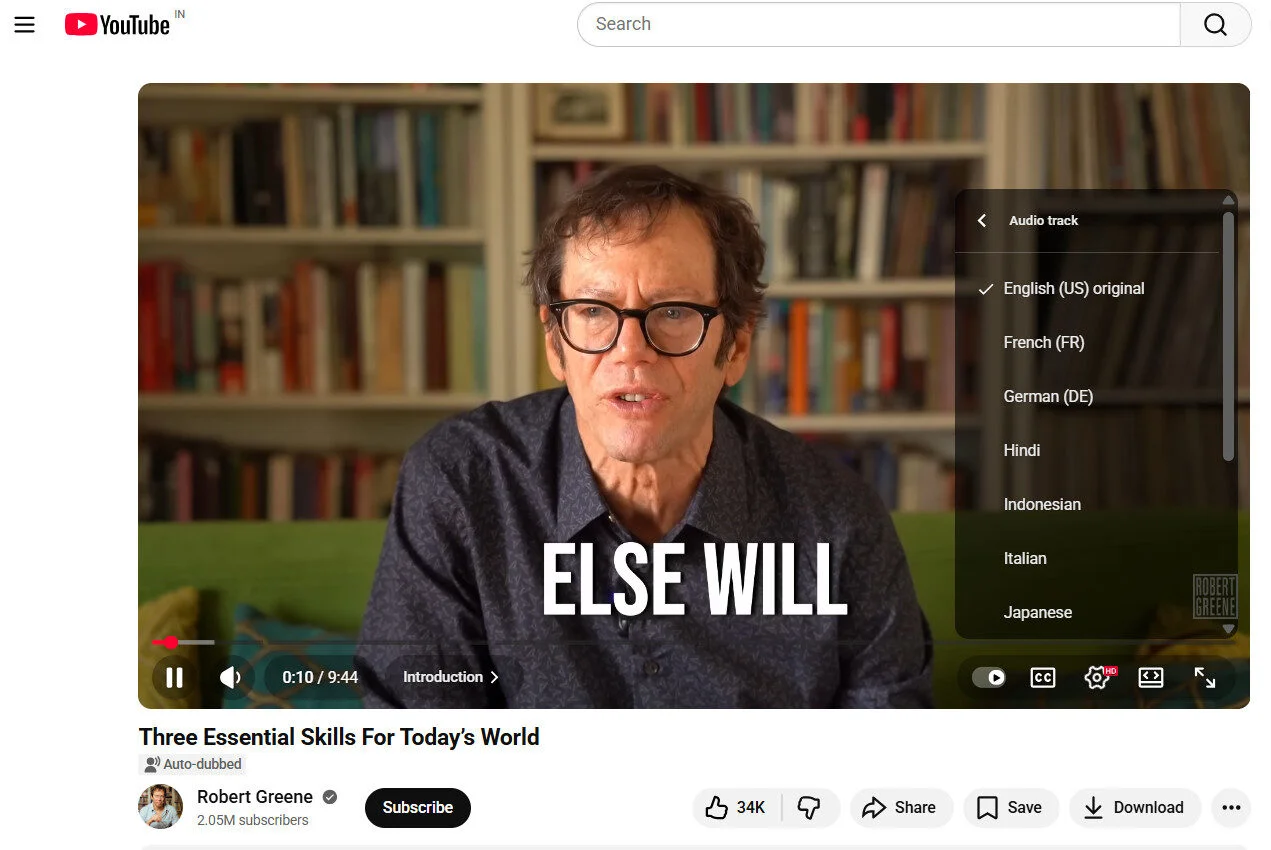
Translated titles, subtitles, and dubbed versions increase visibility across regions. Performance can be tracked separately for each language, helping creators understand audience behavior in different regions.
7. New Viewer Attraction and Community Engagement (2026)
YouTube introduced a “New Viewer Attraction” metric in 2026, measuring how effectively a video brings in viewers who have never watched the channel before. Community engagement (comments, replies, Community posts) was also elevated as a ranking signal.
Videos that consistently attract first-time viewers get a distribution boost. Active community engagement reinforces channel authority in the algorithm.
8. External Factors That Affect Recommendation and Ranking
Factors creators cannot control include:
- Seasonal Trends: YouTube traffic varies throughout the year
- Competition: Established channels with higher authority may rank above smaller creators
- Topic Popularity: Trending topics can shift rapidly, affecting engagement
Monetization status and posting frequency do not affect how YouTube promotes content.
Where YouTube Recommends and Ranks Videos
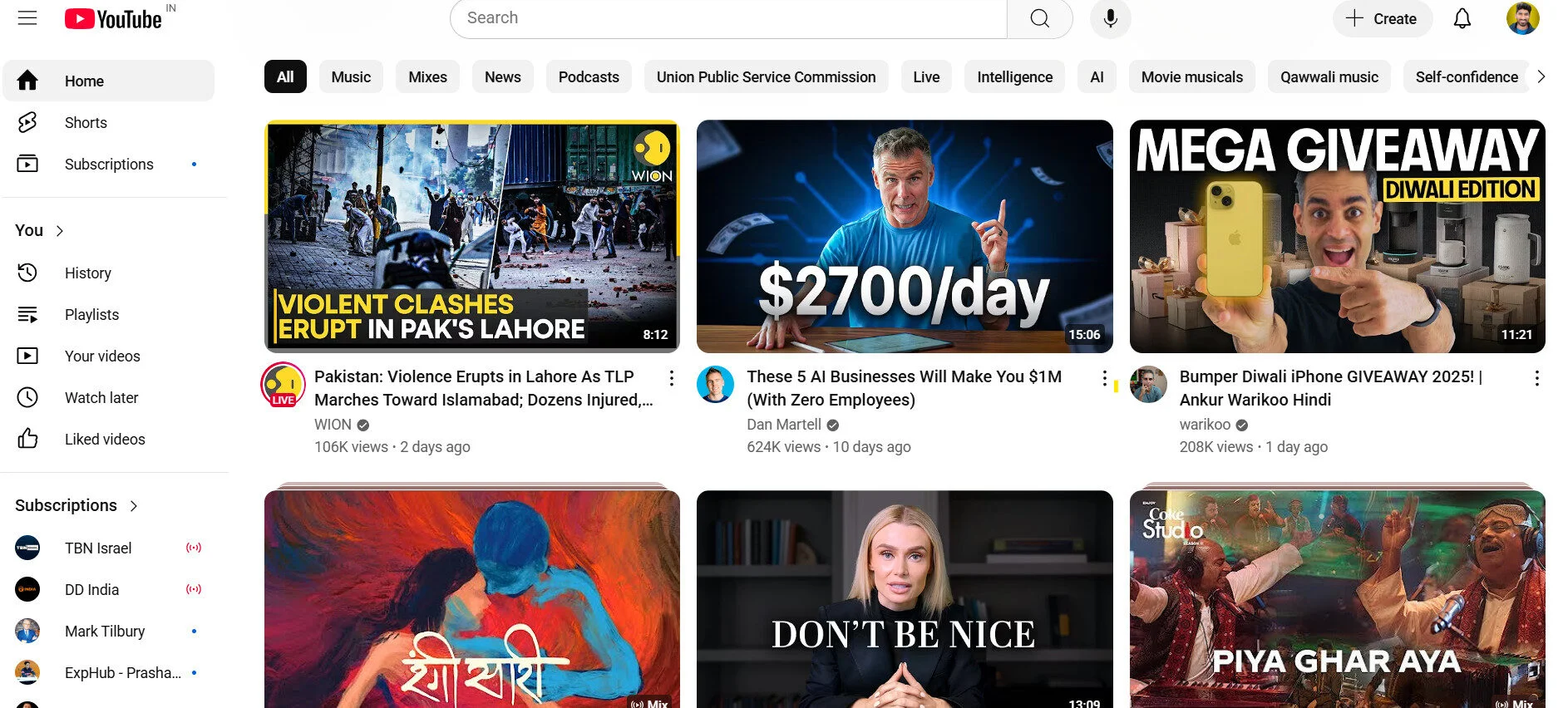
1. Home Page
YouTube curates personalized home feeds based on:
- Video performance metrics (clicks, watch time, engagement)
- User’s past watch and search history
- Sub-niche watch behavior clusters (as of February 2026)
2. Suggested Videos
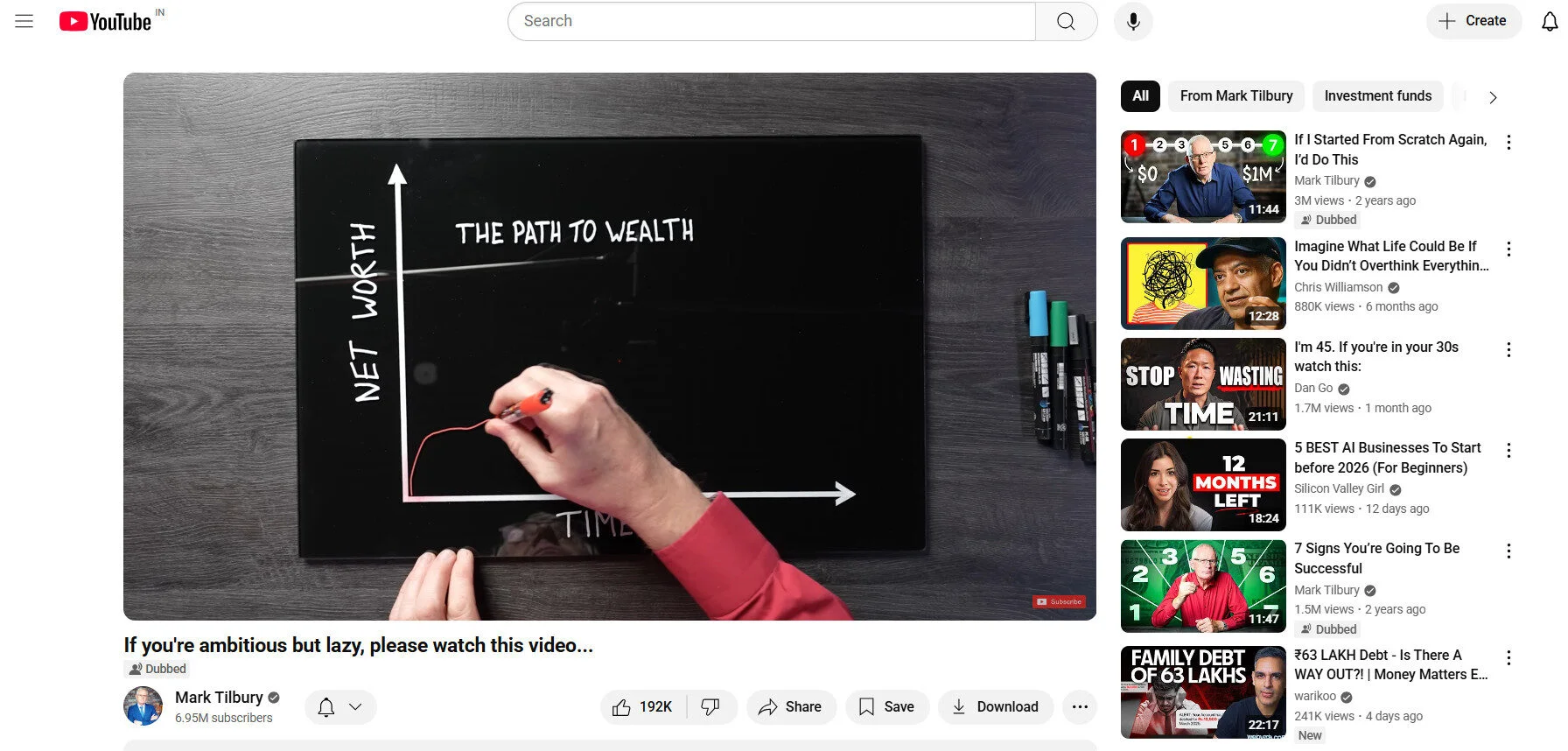
Videos appear alongside currently-watched content, recommended based on:
- Topic similarity to the current video
- Viewer’s watch history and subscriptions
- Content people typically watch after similar videos
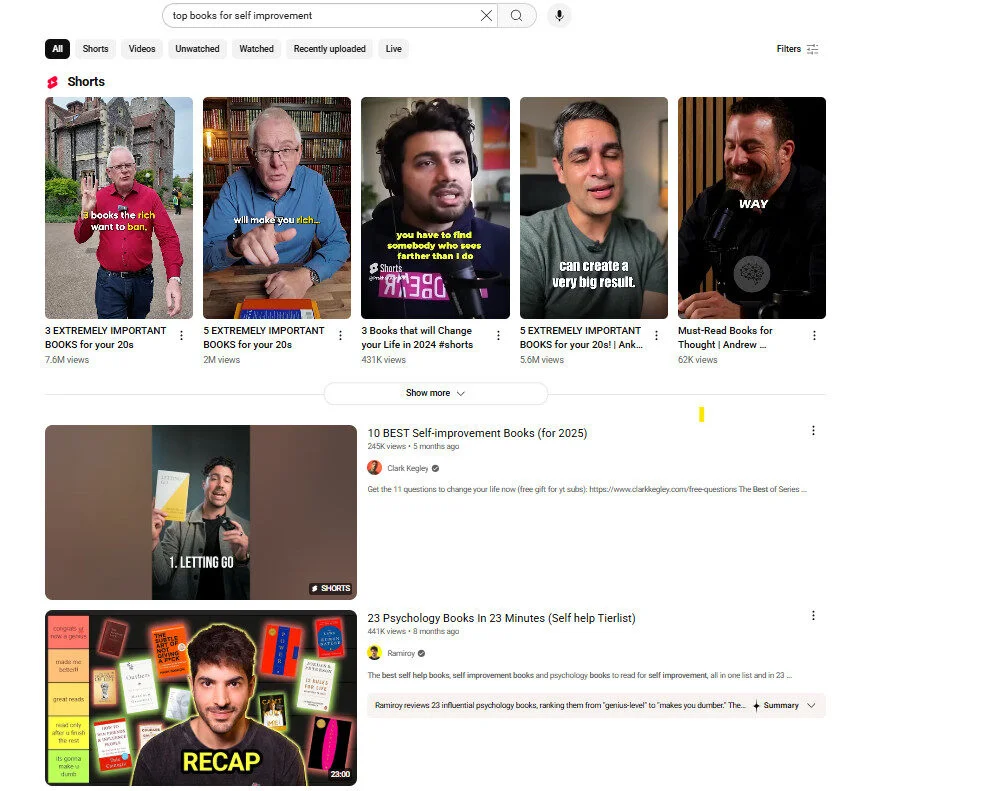
3. Search Results
Each user’s search results are personalized using:
- Relevance: How closely video title, description, and content match search terms
- Performance: CTR, engagement, watch time, popularity
- Watch History: Related videos previously watched
- Shorts: Platform prioritizes Shorts for queries addressable in 30–90 seconds
YouTube Shorts Algorithm: How It Works Differently
YouTube Shorts has exploded in popularity, and people now watch over 200 billion Shorts every day, according to YouTube CEO Neal Mohan. But unlike regular YouTube videos, Shorts are designed for swipe-based discovery. You don’t choose what to watch; you just keep scrolling, and the YouTube Shorts Algorithm shows you what it thinks you’ll enjoy next based on your engagement patterns and interests.
Because of that, the Shorts algorithm works a little differently from the regular YouTube recommendation system. Instead of focusing on search intent or keywords, it looks at how viewers interact with each Short, things like engagement, watch history, and what’s trending right now.
How the Shorts Algorithm Works (2026)
YouTube Shorts now runs on a completely separate recommendation engine from long-form video — fully decoupled in late 2025. The two systems no longer influence each other.
YouTube initially tests new Shorts with small audiences familiar with similar content. If viewers watch most of it, like it, or rewatch it, YouTube expands the audience gradually. Some Shorts go viral days or even weeks after posting, the algorithm keeps testing and expanding the audience over time.
Views are counted from the moment the Short starts to play or replay (no minimum watch time required, effective March 2025).
How the YouTube Shorts Algorithm Ranks Videos
The Shorts algorithm prioritizes different signals from long-form:
- Swipe-through rate: Low swipe-aways indicate the content held attention
- Loop rate: Rewatches and loops signal strong recommendation value
- Shares: A top distribution signal for Shorts
- First-frame engagement: What happens in the opening seconds drives initial reach
- Likes, comments: Interactions with real-time algorithm updates
- Content Variety: Algorithm avoids showing multiple Shorts from the same creator consecutively unless audiences watch in loops
- User Preferences: Personalized based on prior watch, like, and skip history
Thumbnails, posting day/time, upload frequency, and CTR do not significantly impact Shorts reach. Subscriber count on your long-form channel does not carry over to Shorts distribution.
12 Tips to Improve Your Organic Reach on YouTube
YouTube growth in 2026 depends on more than clicks alone. These practical, algorithm-backed tips will help improve discoverability, boost watch time, and increase your chances of getting recommended.
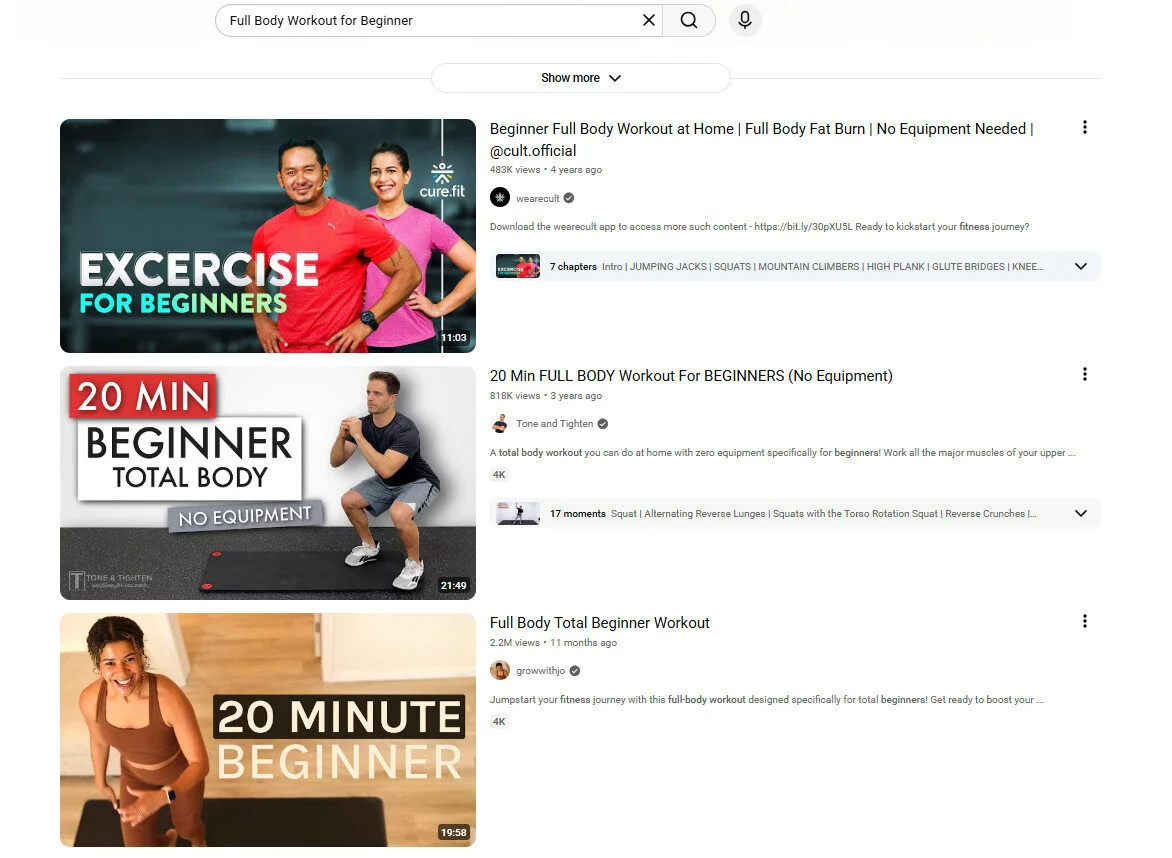
1. Do Keyword Research and Optimize Each Video for the Focus Keyword
Find what audiences actually search for before uploading. Instead of “My Daily Workout Routine,” use “10-Minute Full Body Workout for Beginners.”
Optimize keywords naturally in:
- Video file name
- Title
- Description (especially first few lines)
- Captions
Avoid keyword stuffing; YouTube rewards natural, helpful content.
2. Focus on Viewer Satisfaction, Not Just Watch Time
YouTube now ranks videos primarily on satisfaction, not raw watch time. To maximize satisfaction signals:
- Deliver exactly what your title and thumbnail promise
- Get to the main point within the first 30 seconds that window is now a core ranking input
- Add genuine value throughout, not just at the start
Tip: For “how to edit Instagram Reels on your phone,” skip the intro and open directly on screen with the editing process running.
3. Stick to the Schedule and Video Format that Works for You
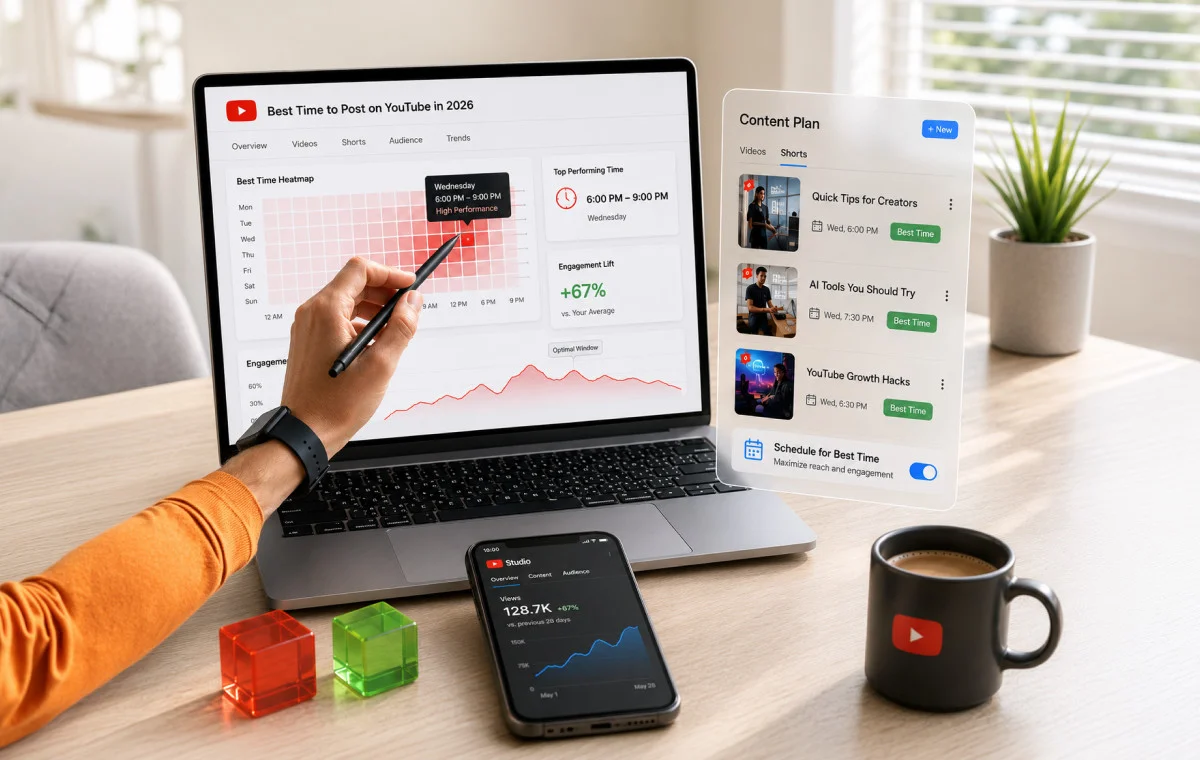
Consistency matters more than frequency. Upload on a schedule audiences can anticipate. Check YouTube Analytics for peak viewer activity, best time to post and post shortly before those times.
Maintain consistent tone and format once you identify what resonates with your audience.
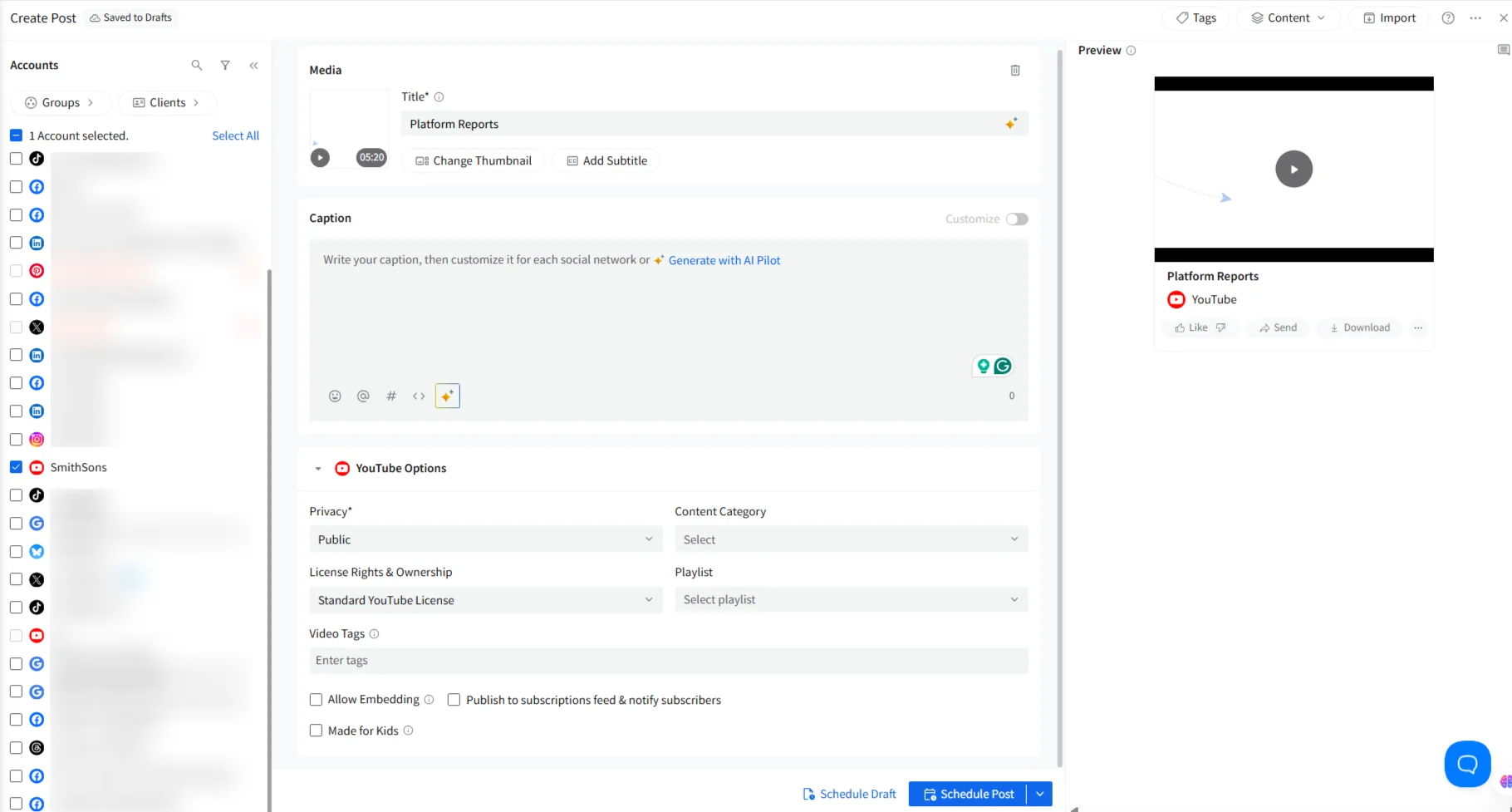
Pro Tip:
Staying consistent is easier when you automate it. A tool like SocialPilot’s YouTube Scheduler helps you plan and schedule videos in advance, publish at your best-performing times, and maintain a reliable posting cadence without manual effort.
4. Use Sh
orts to Get Discovered — Without Risking Your Long-Form Channel
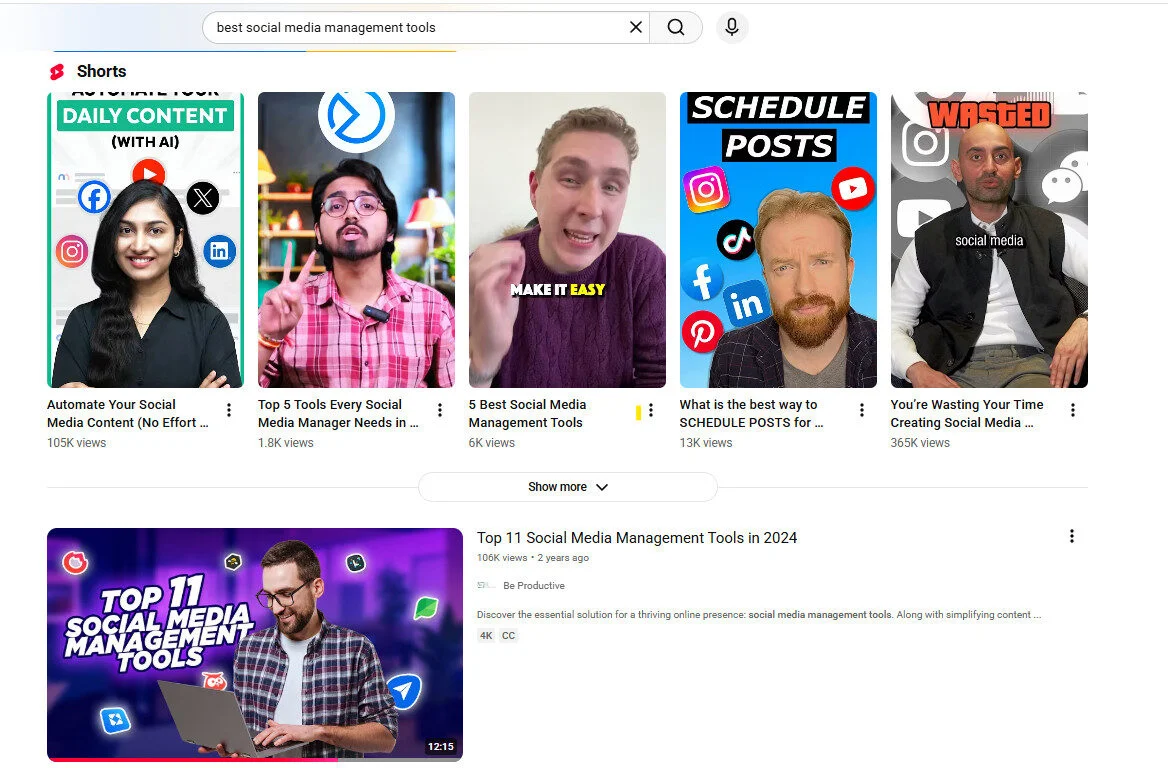
YouTube Shorts now reach new viewers through rapid scrolling feeds on a fully independent algorithm. Since Shorts and long-form are decoupled, experimenting with Shorts carries no downside risk to your main channel.
Shorts are also increasingly surfaced across YouTube search results, meaning even traditional search queries now often recommend short-form videos alongside long-form content. This makes Shorts a powerful discovery tool for reaching audiences who may never have found your channel otherwise.
Create Shorts that:
- Share bite-sized tutorials or tips
- Tease longer videos
- Highlight product features or behind-the-scenes moments
Keep them energetic with an immediate focus on the first frame.
5. Write Clickable Titles and Thumbnails (That Aren’t Clickbaity)
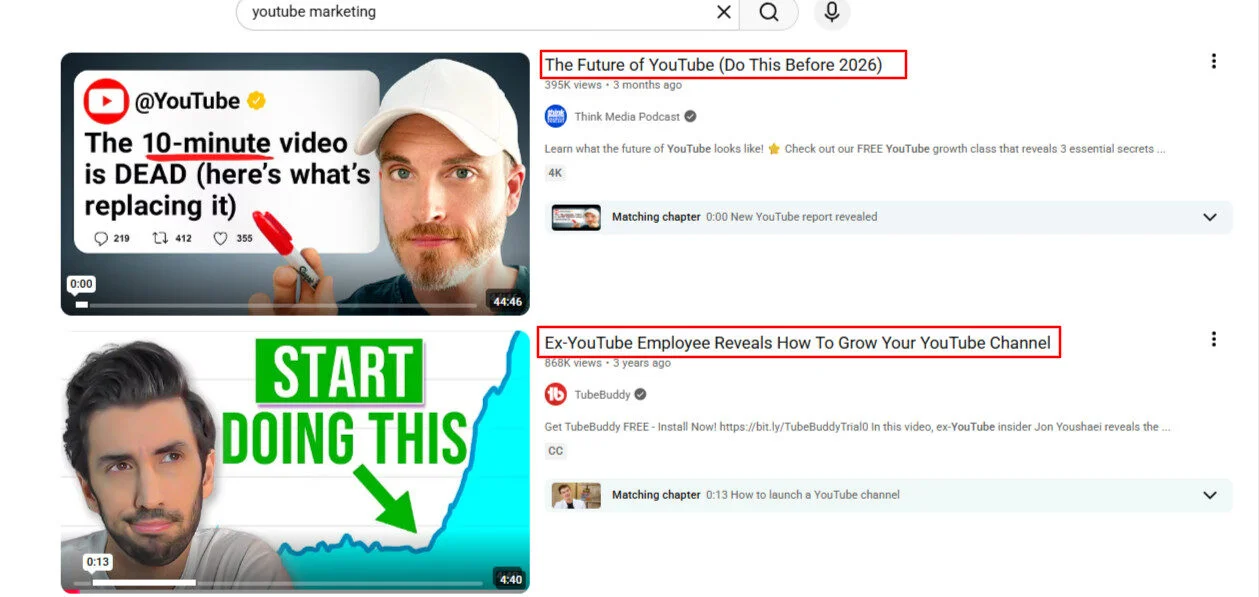
Strong titles boost click-through rates. Effective titles:
- Use curiosity or a clear promise
- Add numbers or lists
- Stay under 60 characters
Thumbnails should:
- Use clear, close-up visuals with expressive faces
- Include short text matching the title
- Maintain consistent style
Ensure titles and thumbnails match actual content to prevent early drop-off.
6. Group Your Similar Videos into Playlists
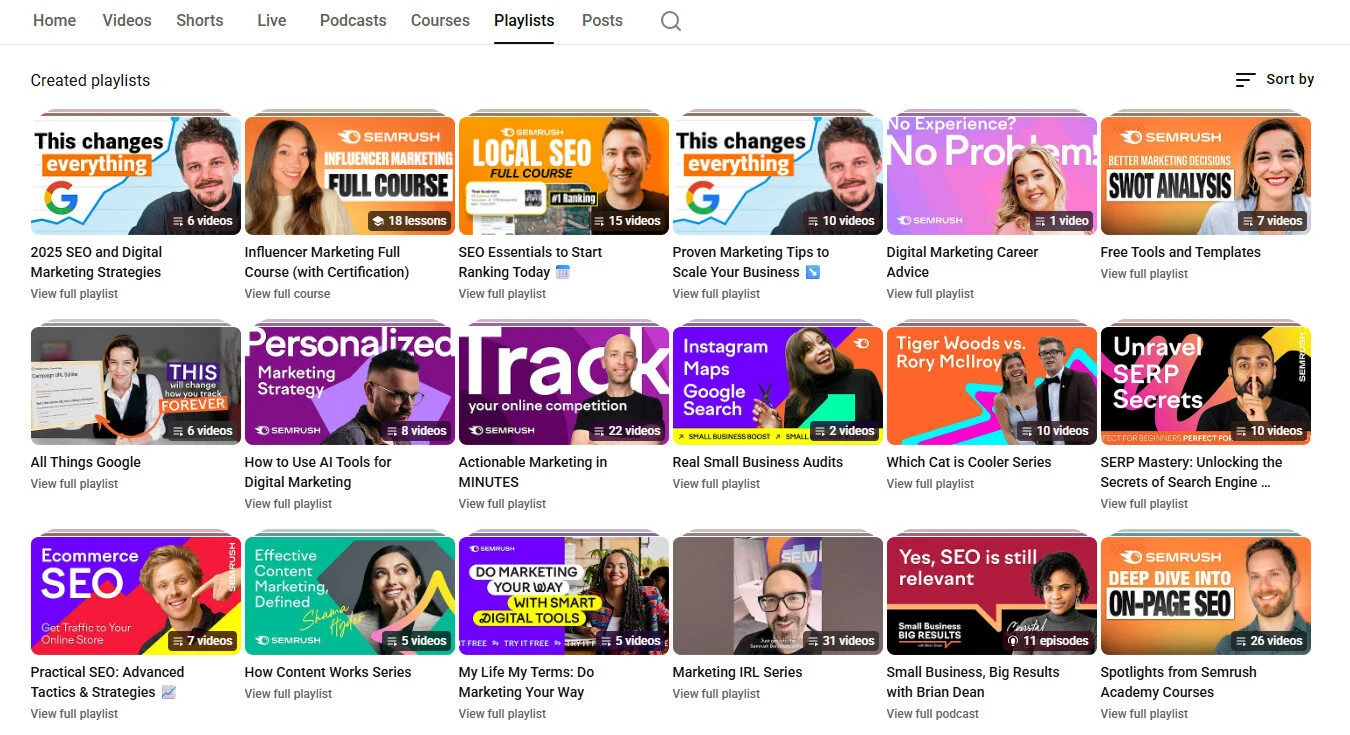
Playlists boost total watch time by automatically playing subsequent videos. Organize by topic, theme, or step-by-step series progression. Longer playlist watch time signals strong content quality to the algorithm.
7. Optimize for a Global Audience
- Translate titles and descriptions for multi-language metadata
- Add subtitles in multiple languages
- Schedule uploads during overlapping time zones for global reach
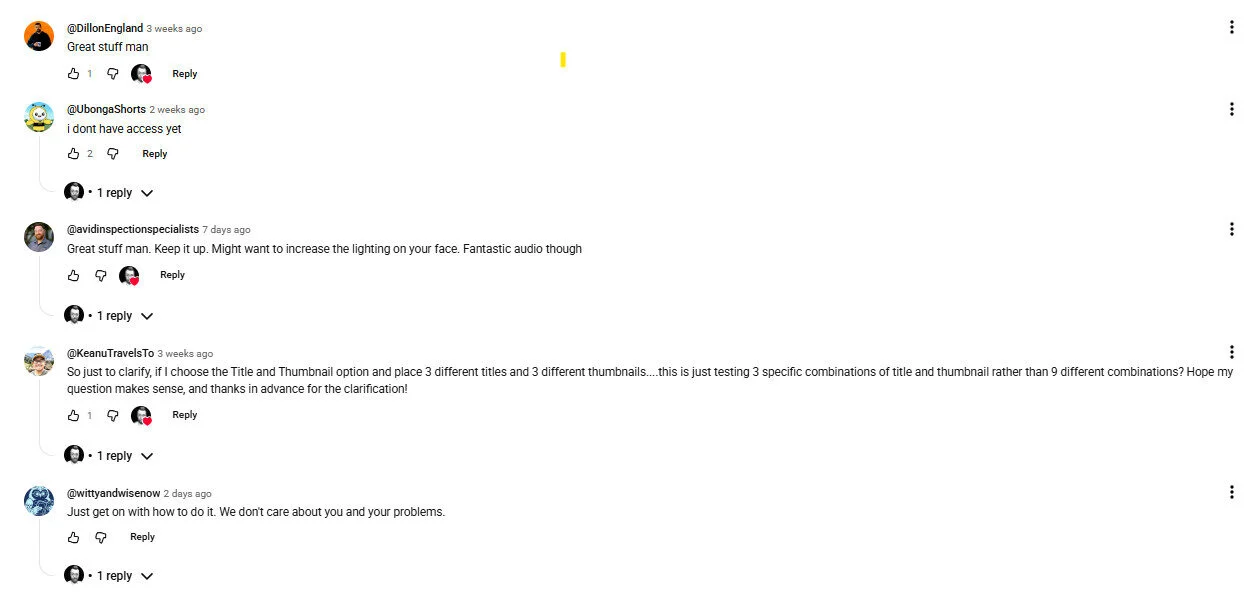
8. Reply to Comments and Stay Active with Community Posts
YouTube rewards creator-audience interaction. Community engagement is now an elevated ranking signal (2026).
- Reply quickly to initial comments
- Pin thoughtful comments or questions
- Use Community Posts for polls, updates, sneak peeks, or discussion starters
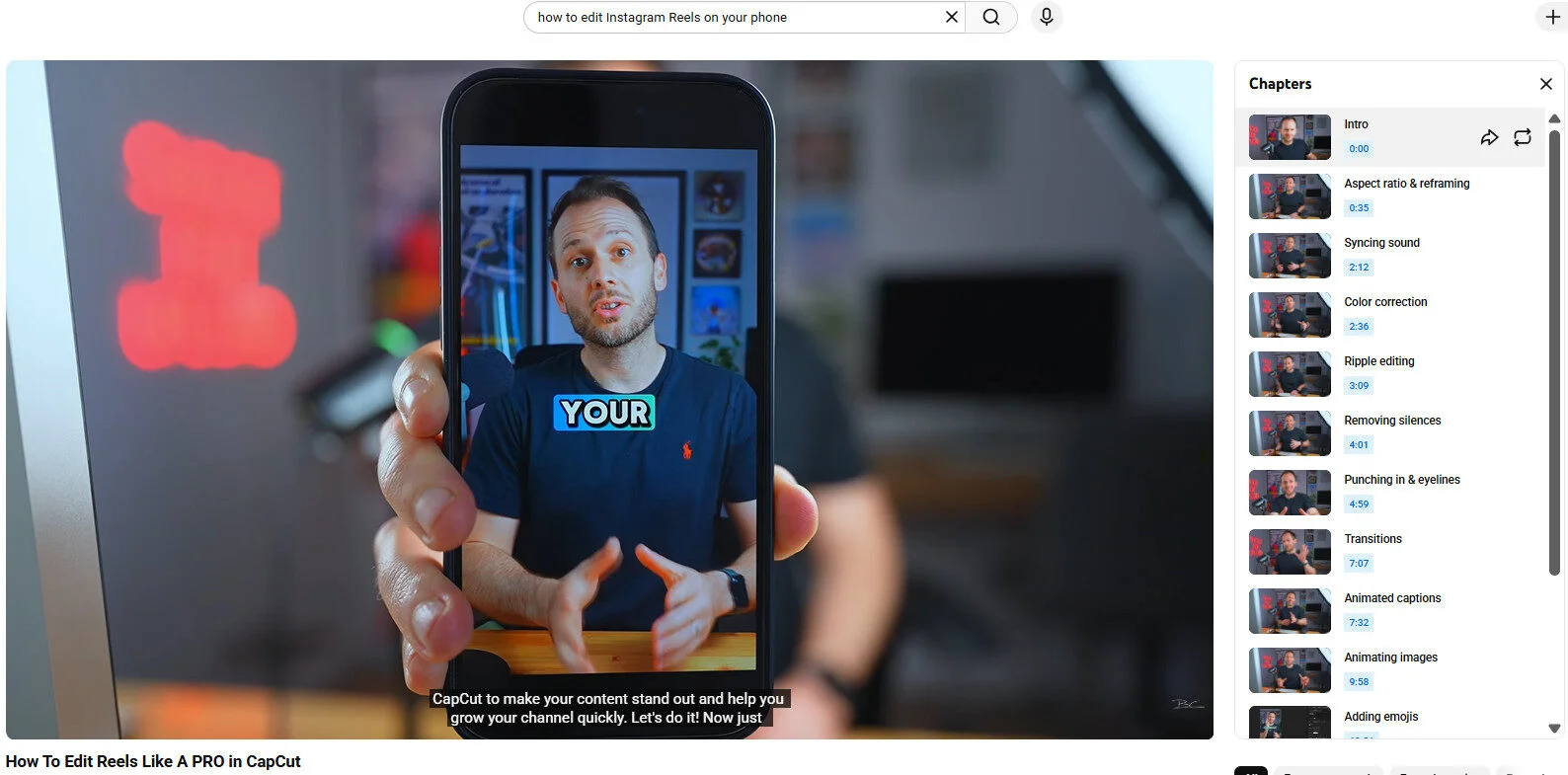
Break videos into clear sections allowing viewers to jump to relevant portions. This improves user satisfaction and boosts visibility through YouTube and Google search snippets.
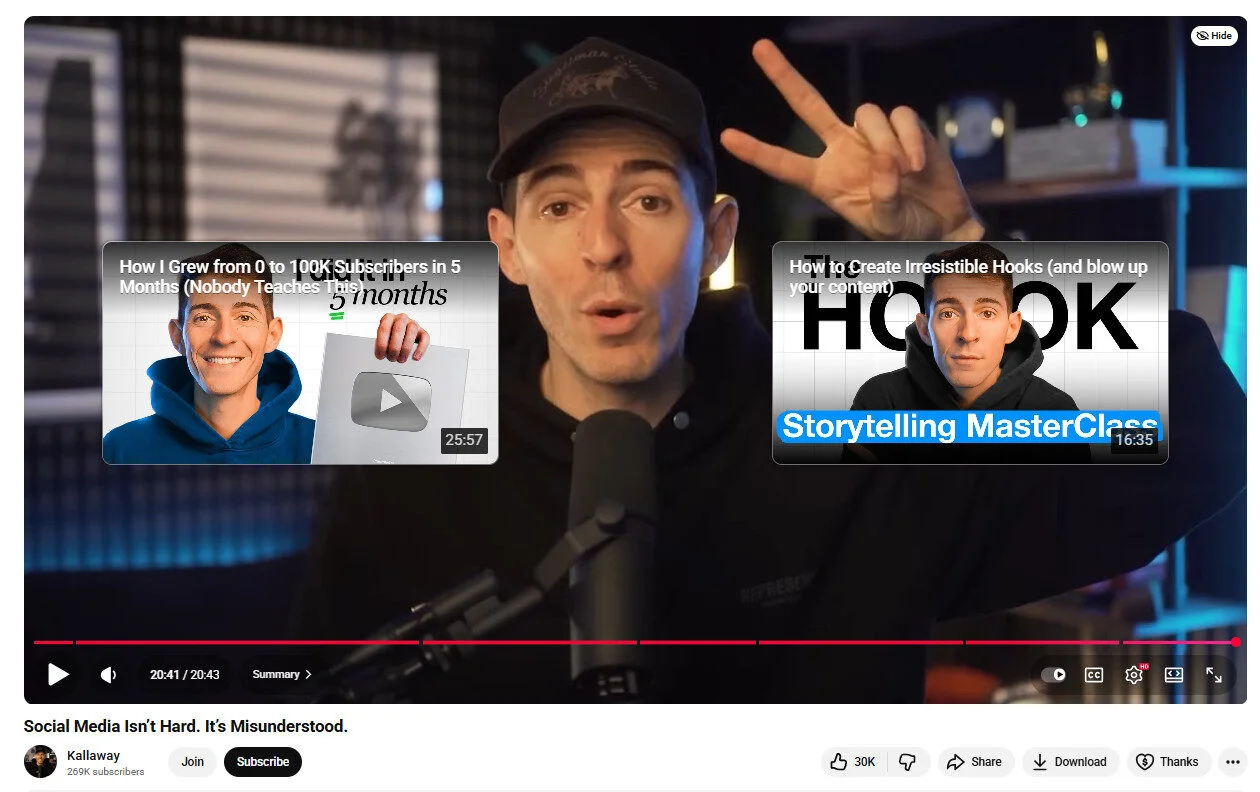
10. Use End Screens and Cards to Keep Viewers Watching
End screens and cards in the last 5–20 seconds guide audiences to next videos or playlists, increasing session contribution, a metric that now carries significant algorithmic weight.
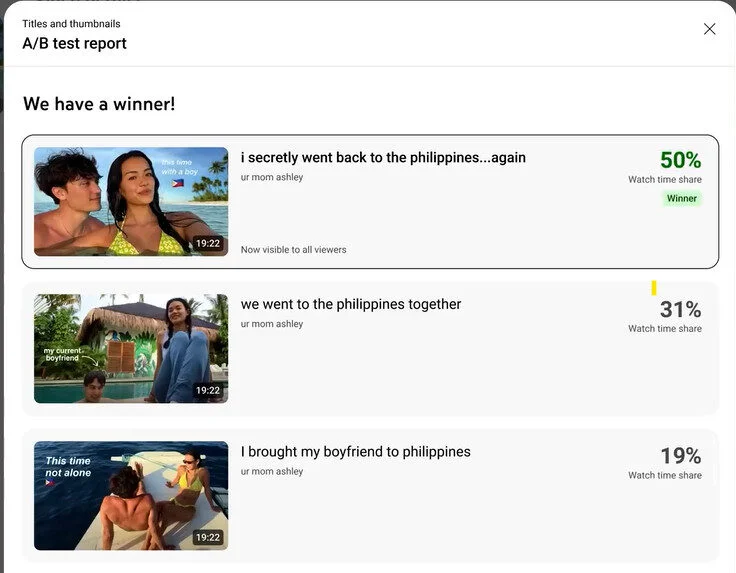
11. AB Test Video Thumbnails, Titles, and Lengths
No single “perfect” video length exists; viewer retention and satisfaction matter most. Review Audience Retention graphs in YouTube Analytics to identify where engagement drops.
Experiment with thumbnail designs, fonts, expressions, and title formats. Track CTR after changes to determine what captures attention.
12. Label AI-Generated Content Correctly
If your video contains realistic AI-generated visuals, voices, or scenarios, you must label it as “Altered or Synthetic” in YouTube’s settings. Unlabeled AI content that YouTube detects faces reduced recommendations or removal. Mass-produced AI content without meaningful human creativity may be demonetized.
Disclosed AI content receives normal algorithmic distribution, labeling does not penalize reach.
Final Thoughts on the YouTube Algorithm
The YouTube algorithm in 2026 rewards one thing above all else: viewer satisfaction. Watch time still matters, but retention, engagement, and whether viewers feel your content was worth watching now carry more weight.
As of August 2026, the core ranking logic is unchanged from earlier in the year. No new ranking or distribution change was confirmed in July or August 2026.
The biggest shift? Shorts and long-form follow different rules. Shorts rely on swipe and loop rates, while long-form content wins through retention and satisfaction. Treating them the same limits growth potential.
The takeaway is simple: hook viewers early, deliver on your promise, and create content specific enough for the right audience to keep watching, engage, and return. That’s what YouTube is built to reward.
And if staying consistent feels like the hardest part, exploring SocialPilot Plans and Pricing can help streamline scheduling, publishing, and content planning, making it easier to stay active and optimize your YouTube strategy over time.