Want to go viral on YouTube? I have done that multiple times. Get my key strategies for your long videos, your Shorts, and even giving a clip its best shot at going viral overnight. Learn how to create engaging titles, optimize for search, and work with the algorithm to get your videos noticed and shareable!
I’ve been where you are, uploading videos, hoping they take off, and wondering if all the effort is worth it. With over 35,000 YouTube subscribers, I’ve figured out what works and what doesn’t.
Going viral on YouTube is not random luck. It happens because a video grabs people’s attention in a way that makes them want to watch, share, and talk about it.
Some videos blow up because they tap into a trend, while others take off because they surprise, entertain, or spark conversation. But with over “500+ hours of content uploaded every minute,” most videos get lost in the noise.
According to McGrady et al. (2023), “Dialing for Videos: A Random Sample of YouTube,” roughly 5% of all YouTube videos have zero views, ~88% have fewer than 1,000 views, and just the top 3.67% of videos capture 93.6% of all platform views.
In this blog, I’ll break down how to make a video go viral on YouTube, including how to go viral with YouTube Shorts and how to give a video its best shot at taking off overnight, with examples of creators who have done it and what you can learn from them.
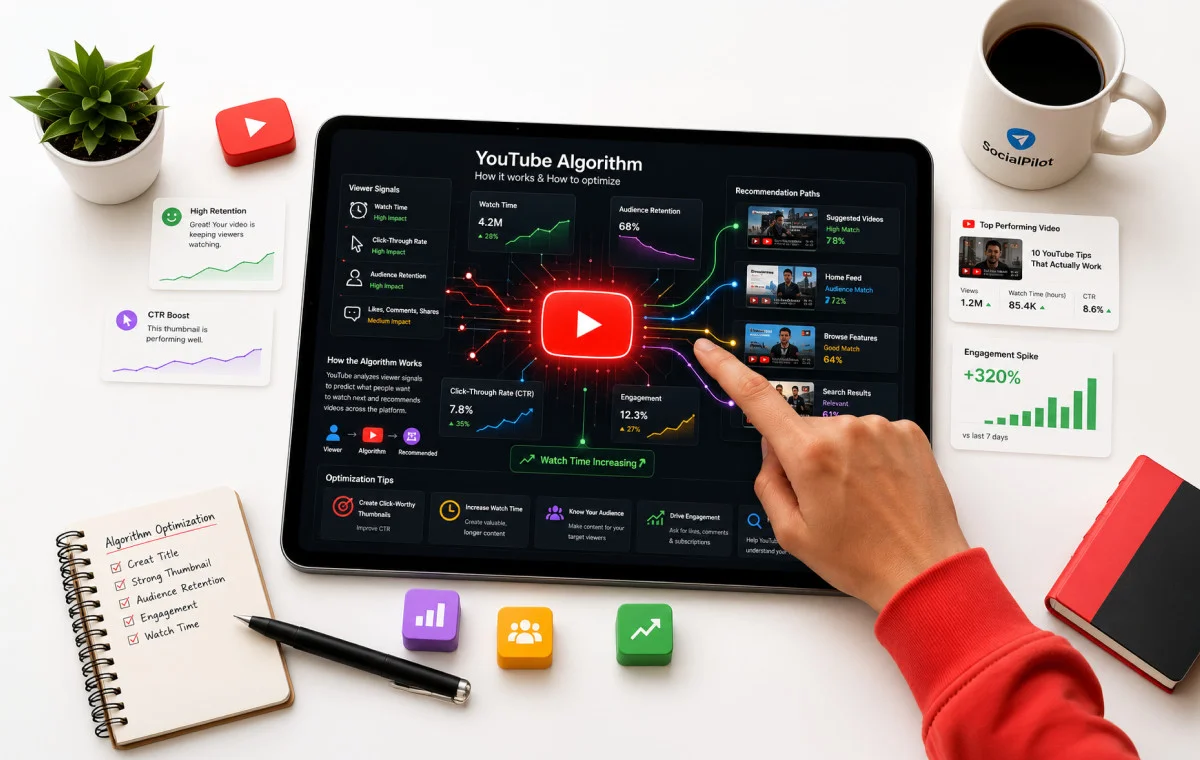
Going viral on YouTube is about triggering the right signals that tell YouTube your video is worth pushing to more people. I’ve seen that when a video gets strong engagement early on, the algorithm notices and recommends it to a broader audience.
It all comes down to how people interact with your video—do they click, watch till the end, and engage? The more positive signals YouTube picks up, the higher your chances of reaching millions.
Here are the key factors YouTube pays attention to:
1. Engaging Thumbnails and Titles
From everything I’ve learned and tested, 90 to 95 percent of a channel’s success comes down to thumbnails and titles. That might sound like an exaggeration, but I’ve seen it play out time and time again. A great video means nothing if no one clicks on it.
Titles play a massive role in discoverability. They influence search rankings and recommendations, helping YouTube understand what the video is about. People won’t bother watching if a title is unclear or intriguing. I always ask myself: Would I click on this? If not, I tweak it until it feels impossible to ignore.
Thumbnails are just as important, if not more. Once YouTube shows your video to potential viewers, the thumbnail decides whether they click. A strong thumbnail works like a hook in short-form content that instantly grabs attention.
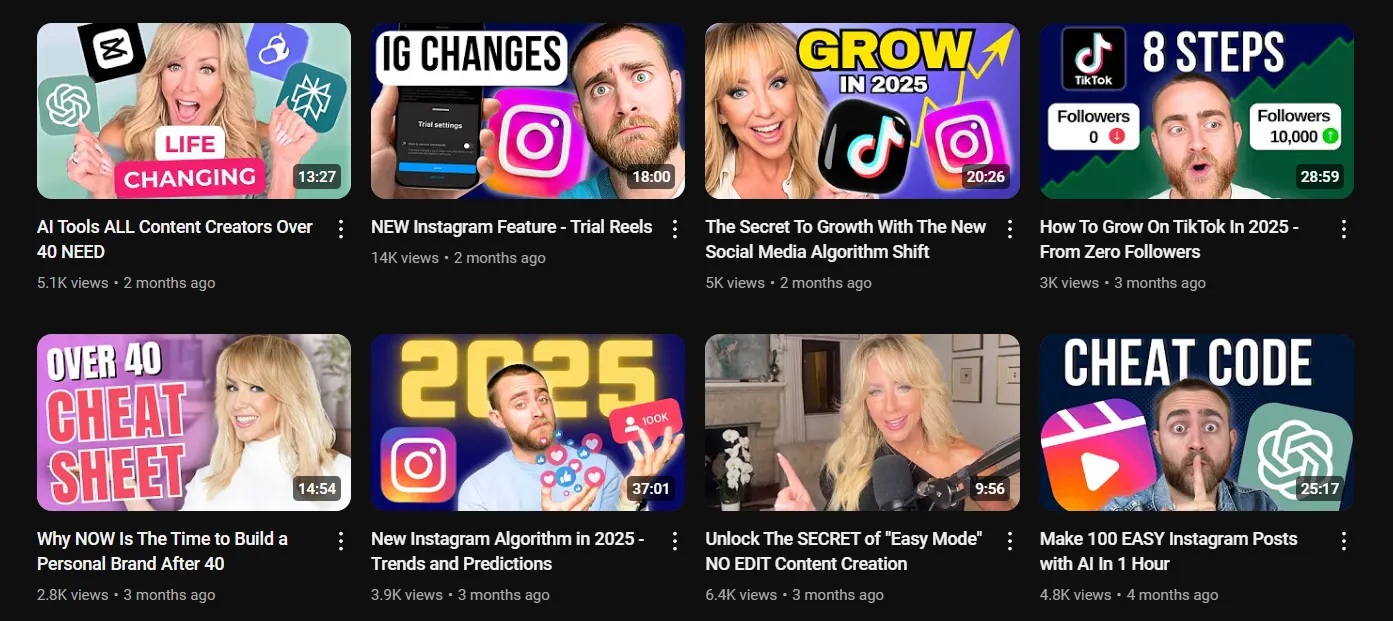
Here’s what I focus on when creating thumbnails and titles:
- Keep thumbnails clear and visually striking: Even at a small size, they should instantly communicate the video’s theme.
- Use minimal text on thumbnails: Too many words clutter the image and reduce impact.
- Make titles compelling, not vague: They should spark curiosity while still being accurate.
- Test and update: If a video underperforms, I check Analytics and experiment with different thumbnails or titles.
If you take away one thing, let it be this: Your video’s success starts before anyone even clicks on it.
2. Watch Time & Average View Duration
Getting clicks is one thing, but keeping people watching is another. YouTube cares about how long viewers stay on your video. The longer they watch, the better. If most people drop off early, YouTube assumes the video isn’t interesting and will stop recommending it.
To keep people watching, you need to grab attention right from the start and maintain interest throughout. I like to keep my intro short and to the point—no long buildups. People will likely leave if you don’t catch their interest in the first few seconds. As the video progresses, using storytelling, surprises, or even cliffhangers helps keep viewers engaged until the end.
3. Audience Retention
This goes hand in hand with watch time. Audience retention measures the percentage of your video that people watch.
You can use retention graphs in YouTube Analytics to see where people drop off. If you notice a sharp decline at a certain point, analyze why it is behind it. Maybe the content might have gotten boring, or the transition was too slow. This will help you adjust your future videos to keep people watching longer.
Besides tracking views, YouTube also looks at how people interact with your video. When people like, comment, share, or save a video, it signals that they found it valuable.
I always encourage viewers to engage by asking a question at the end or responding to comments. A simple call to action like, “What do you think?” or “Drop your favorite part in the comments!” can make a big difference. The more conversations that are happening in the comment section, the better.
5. Cross-Platform Promotion
Cross-platform promotion means using platforms like Instagram, Twitter, Facebook, or even an email list to drive traffic to your YouTube videos. While this can boost visibility, there’s a catch. Promoting too soon can interfere with YouTube’s ability to gauge organic interest.
I’ve learned that YouTube uses the first few days after publishing to analyze how well a video performs on its own. If most early views come from external sources rather than YouTube’s recommendations or search, the algorithm might not push the video as widely.
That’s why waiting three to seven days before promoting a new video on other platforms is best. This gives YouTube enough time to determine how its platform’s viewers respond.
Once that window has passed, I share my video across social media, embed it in blogs, or send it to my email list. This way, I get the benefits of extra exposure without affecting YouTube’s ability to rank and recommend my video organically.
If you think you need a magic formula to go viral on YouTube, think again. Going viral is about understanding what works and getting your videos in front of the right people. I’ll show you how to make a video go viral on YouTube and the steps to help you get noticed.
1. Create and Post High-Quality Content Consistently
When I started my YouTube journey, I quickly realized consistency was more than simply showing up. It was about learning, improving, and keeping my audience engaged. Posting regularly helped me understand what worked what didn’t, and how to refine my content.
Here’s why consistency matters:
You learn what works. The more I uploaded, the more I noticed patterns in audience behavior. Some videos had higher watch time, while others had stronger engagement. Analyzing these trends, I adjusted my content style to match what my audience wanted.
Viewers come back for more. When people know they can expect fresh content from you, they’re likelier to stick around. If someone enjoys one of your videos and sees that you post consistently, they might subscribe because they know there’s more good content coming. Irregular posting, on the other hand, can make your audience lose interest.
YouTube favors consistency. The platform promotes videos that keep viewers engaged. When I maintained a steady posting rhythm, I noticed our brand’s content being recommended more often, leading to more visibility and engagement.
So, how often should you post on YouTube? A good schedule is one that gives you enough time to create a well-made video without burning out. Many successful YouTubers post once a week, which is frequent enough to stay relevant but allows time for proper planning and editing.
Sticking to a set day and time for uploads also helps. It trains your audience to expect new content from you, just like how people tune in to their favorite TV shows. Post when your audience is most active. Hitting the best times to post on YouTube gives your video the best chance to take off.

Balancing Quality with Consistency
While posting frequently is important, quality can’t take a backseat. A well-produced video stands out and keeps viewers watching until the end.
Take the video “How to Get Clients on LinkedIn (Proven 7 Steps)” as an example. It has garnered 146k views (at the time of writing this blog). Here’s how:
- The quality is high. Clear visuals and sound audio make it enjoyable to watch. Poor production can turn viewers away, even if the content is useful.
- It speaks directly to the audience. The brand understands its viewers’ challenges and provides solutions that feel relevant.
- It’s packed with value. The video moves quickly from one useful tip to another, keeping viewers engaged. There’s no unnecessary filler that makes it worth watching until the end.
Uploading on a schedule and maintaining high quality takes effort, but it pays off. The more consistently you post great content, the more people will trust your channel and keep returning for more.
Do you want to stay consistent without compromising on quality?
A scheduling tool like SocialPilot enables you to plan and automate YouTube videos and shorts so you never miss a posting date. Instead of scrambling to create last-minute content, you can batch-produce videos, schedule them in advance, and save time to plan and shoot more viral videos without burnout.
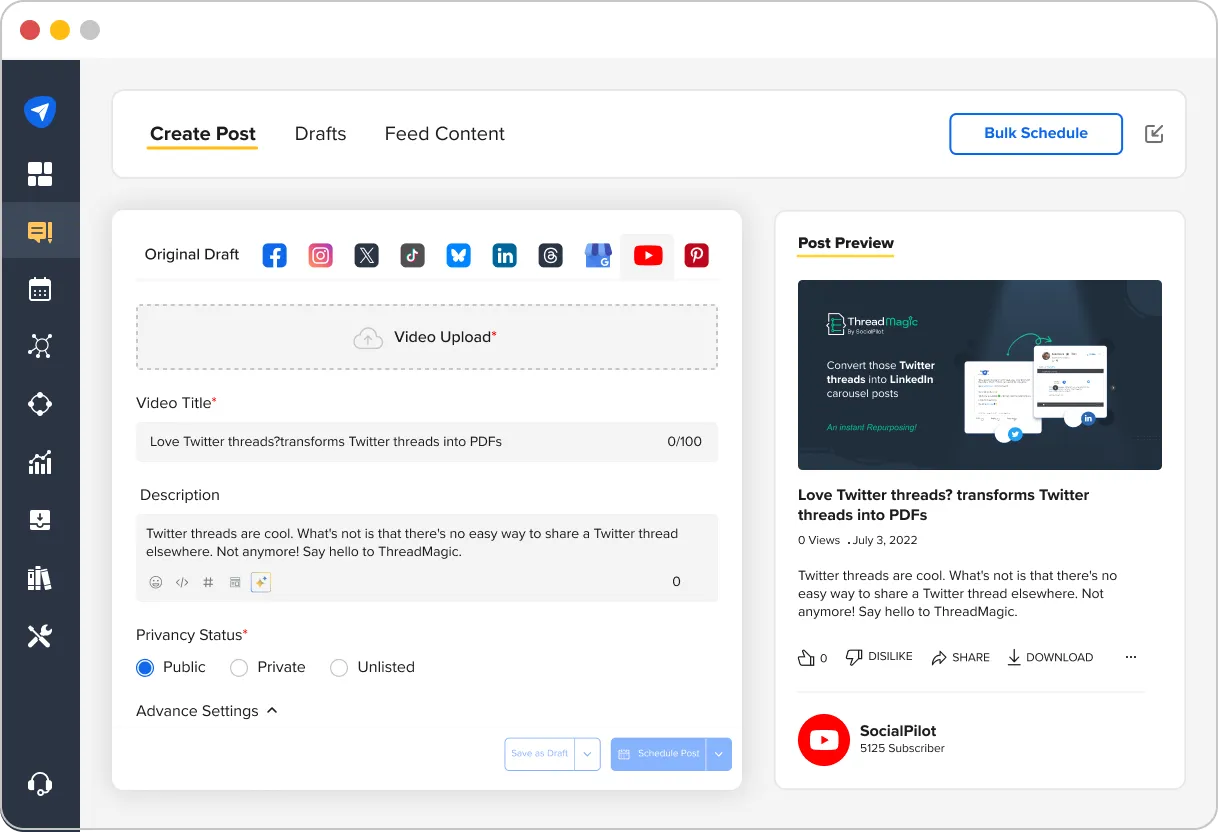
YouTube is the second-largest search engine after Google, which means people actively search for videos using specific keywords. If your videos are optimized for search, they have a much better chance of appearing in search results and recommendations.
When I started optimizing my videos with the right keywords and tags, I saw a noticeable increase in views. My videos began ranking higher in search results, and more people discovered my content.
How keywords and tags help your video get found:
- Keywords help YouTube understand your video. When I include relevant keywords in my title, description, and tags, YouTube knows what my video is about and recommends it to the right audience. This has helped me attract viewers who are actively searching for my content.
- Tags give additional context. While tags aren’t as important as they used to be, I still use them to associate my videos with similar content. This increases the chances of my video appearing in the “Suggested Videos” section, bringing in more organic views.
- Captions and transcripts improve searchability. YouTube’s algorithm scans captions and transcripts for keywords, so adding them can improve rankings.
Graham Stephan’s video, “How I Bought a Tesla for $78 Per Month,” is an excellent example of keyword optimization. This video has 8.6 million views, and part of its success comes from strong keyword usage.
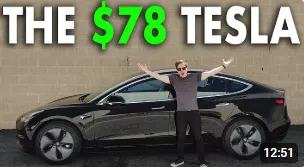
- The title is clear and searchable. Phrases like “Bought a Tesla” and “Per Month” appeal to people searching for affordable ways to own a Tesla. The curiosity-driven title also encourages clicks.
- The description includes key search terms. He repeats important keywords in the description, such as “Brand new Tesla model” and “Tesla Model 3”. This increases the video’s visibility.
- Tags include variations of relevant keywords. Tags like “Tesla Model 3,” “stock market investing for beginners,” and “buy or lease a car” ensure that the video appears in searches related to electric cars and Tesla financing.
- The thumbnail and title work together. The thumbnail has bold text and a clear image of a Tesla, making it instantly recognizable. This increases the chances of people clicking on it when they see it in search results.
Optimizing for search won’t make your video go viral overnight, but it helps more people find it. If your video doesn’t show up in search results, fewer people will watch it. Businesses can use the same keyword strategies to attract customers. If you are truly looking to create videos that go viral, here is an interesting read on how to go viral on social media.
3. Hook Viewers in the First Few Seconds
The first few seconds of your video determine whether people keep watching or scroll away. I’ve tested different opening styles in my videos, and the results are clear—when I start strong, more viewers stick around.
Here’s how you can hook viewers quickly:
- Start with a question or bold statement. I’ve noticed that when I open a video with a surprising fact or a direct question, engagement goes up. Viewers are naturally curious and want to hear what comes next.
- Show the best part first. Instead of waiting until the middle of the video, I sometimes give a quick preview of the most exciting moment right at the beginning. This keeps people watching to see the whole story.
- Get straight to the point. Long intros can lose viewers. I immediately tell them about the video and why they should care.
- Use quick visuals and energy. Quick cuts, bold text, and dynamic music create excitement, making people want to stay.
One great example is Mr. Beast’s “I Spent 50 Hours Buried Alive” video. The video has over 329 million views, and the opening plays a big role in that.
- The first shot is dramatic. It immediately shows MrBeast inside a coffin underground, making viewers wonder how he’ll survive.
- The title is repeated in the first sentence. He quickly says, “I’m going to spend the next 50 hours buried alive,” reinforcing what the video is about.
- Quick cuts and intense music build excitement. The editing makes the situation feel urgent, keeping people hooked.
Because the video grabs attention right away, viewers are more likely to watch the whole thing.
This kind of approach works for any business, whether you’re explaining a service, demonstrating a product, or educating potential customers. The faster you grab attention, the longer people will stay engaged.
4. Features Videos in your Blog
Adding YouTube videos to blog posts is a simple way to get more views and keep visitors engaged. Many people search for written content on Google but may not look for a video on the same topic. When you embed a video in a blog, readers can watch it without leaving the page, increasing watch time and boosting engagement on both platforms.
Why Does This work?
- Keeps visitors on your blog longer. A well-placed video encourages readers to stay on the page instead of bouncing away. The longer they wait, the better it is for your website’s search rankings.
- It helps your video rank on Google. Google often includes videos in search results. When your blog and video are optimized for the same keywords, they reinforce each other and improve visibility.
- Reaches a larger audience– Some people prefer reading, while others enjoy watching videos. A blog with a video appeals to both, increasing overall engagement.
Sally McKenney, the owner of Sally’s Baking Addiction, writes detailed recipe blogs and includes her YouTube videos to help readers follow along. In her blog post “Perfect No-Bake Cheesecake Recipe,” she features her YouTube video “Classic Cheesecake Recipe”
- The video is placed where it adds value. Instead of just explaining strategies in text, the blog includes a video as a visual guide. Readers can either watch or read, which makes the content more accessible.
- It keeps users engaged. Viewers might pause the video to follow along with the blog, increasing watch time on YouTube.
By featuring your videos in blog posts, you give them another chance to be discovered. It’s an effortless way to turn website visitors into YouTube viewers.
For businesses, this strategy is helpful in multiple ways:
- A software company can include demo videos about their features in blog posts.
- An eCommerce brand can embed customer testimonial videos in product-related blogs.
- A B2B service provider can add video case studies in success story blogs.
5. Keep an Eye on Trends and Challenges
Trends create excitement, and viewers actively search for them, which increases the chances of your videos being discovered. Whether it’s a popular dance, a viral meme, or a trending challenge, tapping into these topics can help your videos gain traction faster than evergreen content alone.
People feel encouraged to join the conversation when they see multiple voices engaging with the same trend—whether it’s creators, brands, or industry experts. This often leads to more shares, comments, and interactions, helping your content reach a wider audience.
However, blindly following trends is not enough. The best results come when you add something unique to your video, whether it’s a creative spin, humor, or a fresh perspective.
Jasmin Arndt and James Ewens, a dance duo known for their creative choreography, participated in the viral ‘APT’ dance trend.
The trend was based on the song “APT” by Rosé and Bruno Mars, and many dancers were creating their own versions of the routine. Jasmin and James posted their video titled “WE FINALLY DID THE OTHER APT. DANCE ROSÉ & Bruno Mars!” which quickly gained 8M+ views.
Do you think they had success just by following the trend? No. It was because they brought their energy and style to it. Their synchronized moves, expressions, and overall performance entertained the video.
Plus, it encouraged viewers to share it. Since people were already searching for ‘APT’ dance videos, their content naturally gained traction. This proves how trends can bring in a massive audience.
How to use trends for your channel?
Watch for trends early. Regularly check YouTube’s trending page, TikTok, Instagram Reels, and Twitter to see what’s gaining attention.
Act fast. Trends don’t last forever, so posting while the topic is fresh increases the chances of people finding your video.
Make it your own. Instead of copying what’s popular, add your personality or a creative twist to make your video stand out.
6. Collaborate with Other Creators
I’ve seen firsthand how collaborations can bring a channel to new audiences and make content more exciting. When two or more industry experts or brands work together, they can introduce each other to their viewers. Which in turn leads to more subscribers and increased engagement.
Why I Think Collaborations Work So Well?
- More exposure: When I collaborate with another business, their audience gets to know my brand, and mine gets to know theirs. It’s a win-win.
- Better content: Two minds are better than one. Mixing different styles, humor, or expertise can make videos more interesting.
- Stronger community: Viewers love seeing their favorite brands working together. It makes them feel like part of a bigger community.
How I Would Approach a Collaboration
- Pick the right partner: I’d look for someone with a similar audience but a different perspective. That way, we bring something new to the table.
- Promote it together: I’d make sure we share the video across platforms to reach as many people as possible.
- Engage with viewers: Responding to comments and interacting with both audiences helps build a stronger connection.
7. Dominate The YouTube Algorithm
When I first started posting on YouTube, I thought great content was all I needed. But I quickly realized that even the best videos won’t get views if the algorithm doesn’t push them. YouTube’s system isn’t random. It rewards videos that keep people on the platform longer. The more time spent watching, engagement, and clicks a video gets, the more YouTube promotes it.
Here’s what I do to work with the YouTube’s algorithm instead of against it:
a. YouTube SEO is more than just Keywords
I used to think adding a few keywords in the title and description was enough. It’s not. YouTube now listens to the actual content of my videos. That’s why I say my main keywords naturally in my script. If my video is about “start affiliate marketing,” I mention that phrase a few times instead of just typing it in the description.
I also research low-competition keywords with high search volume using tools like TubeBuddy and KeywordTool.io. Finding untapped topics means my video has a better chance of ranking than getting lost in a sea of competition.
For a broader framework on optimizing videos for reach, rankings, and engagement, you can explore this complete YouTube marketing guide.
b. Watch Time Matters more than Views
Getting clicks is great, but my video won’t go far if people leave after a few seconds. I focus on:
- Hooking viewers fast – The first 10 seconds decide if someone stays or leaves. Instead of a slow intro, I immediately tell them what they’ll get from my video.
- Keeping the energy up – I avoid long pauses, use jump cuts, and add visuals to keep things moving. If my video feels slow, people will click away.
- Encouraging longer sessions – I create content that naturally leads to more videos. If someone watches multiple videos from my channel, the algorithm notices and pushes my content to them more often.
c. Consistency Builds Momentum
The algorithm favors brands who post regularly. I used to post randomly, and my views were inconsistent. Once I started uploading on the same day each week, my videos started getting recommended more. It also helps my audience know when to expect new content.
d. Playlists Keep Viewers Watching Longer
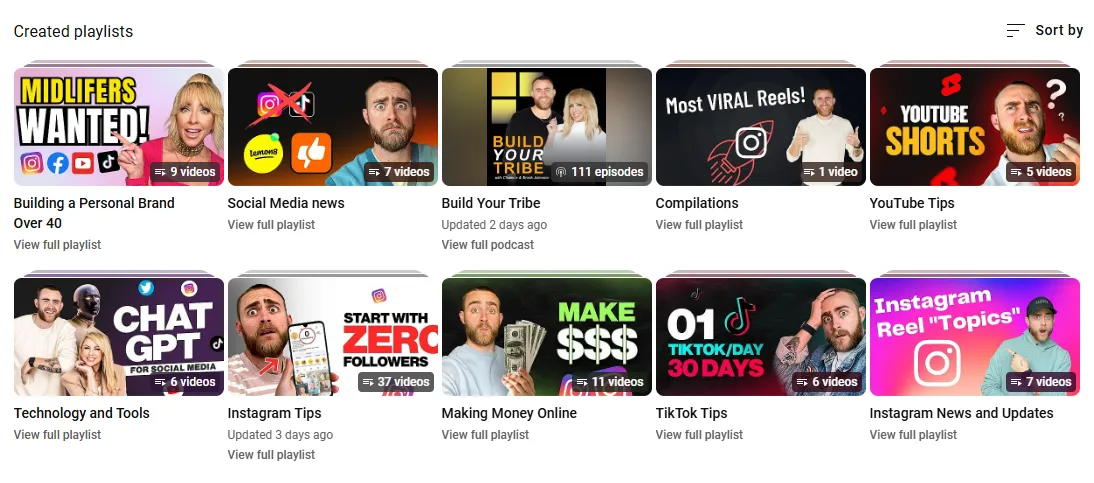
Instead of just uploading videos, I group them into playlists. If someone watches a video about beginner photography tips, they’ll see an entire playlist of related videos right after. This increases my watch time, which tells YouTube that people find my content valuable. Once I focused on watch time, SEO, and consistency, my videos reached more people.
8. Repurpose Long Videos into YouTube Shorts
YouTube Shorts get over 200 billion views daily, and they’re only getting bigger. If you want to reach more people without spending extra hours filming, repurposing your long videos into Shorts is the best way to do it. Shorts are quick, engaging, and can go viral fast. Plus, they help bring new viewers to your main content.
Here’s how I turn long videos into Shorts that get views:
- Find the best clips: I pull out the most interesting, funny, or valuable moments from my long videos. It could be a quick tutorial, an eye-opening fact, or a strong reaction.
- Crop for vertical format: Shorts need to be in a 9:16 ratio, so adjust the framing to make sure it looks good on mobile.
- Hook viewers immediately: People scroll fast, so get straight to the point. You should start with an exciting line or a visually engaging moment to keep them watching.
- Add captions: Since many people watch without sound, it is a good practice to include bold captions to make the content easy to follow.
- End with a call to action: I mention the full video, that encourages viewers to check it out if they want more details.
I treat Shorts as their own game, not a shrunken version of my long videos. The people swiping through the Shorts feed are in a different mood. They didn’t search for me, and they didn’t click a thumbnail. They’re moving fast, and I have about a second to stop the swipe.
That one second is the whole thing. YouTube now counts a Short view the moment it starts to play or replay, with no minimum watch time, according to YouTube’s own metrics documentation. So getting seen is easier than it has ever been. Getting kept is the hard part, and that is what the algorithm actually rewards.
Here’s the Shorts playbook I follow:
- Open on the payoff, not the setup. No logo, no “hey guys,” no slow intro. Show the result, the mistake, or the hook in frame one. If your first line is “here’s how I got my first 10,000 subscribers,” say that first, not after a ten-second windup.
- Design it to loop. The strongest Shorts feel like they never ended. When the last frame flows back into the first, people watch twice without noticing, and that replay counts. YouTube’s recommendation system weighs average view duration and average percentage viewed when it decides who else sees your video. A clean loop quietly lifts both.
- One idea per Short. A Short is not a highlight reel. It’s a single thought delivered fast. If you can’t say what it’s about in five words, it’s two Shorts, not one.
- Add captions. A lot of people watch on mute. If your point only lands with sound, half your audience misses it.
- Chase the format, not just the sound. Trending audio helps, but a trending structure helps more. When Jasmin and James rode the APT dance to millions of views, the sound was borrowed. The framing, the timing, and the faces were theirs.
If you want the deeper mechanics, I break down what’s working right now in my guide on how to get more views on YouTube Shorts.
One thing I learned the hard way: Shorts reward volume more than long videos do. A long video is a bet you place carefully. A Short is closer to a ticket you can afford to buy every day. So I post them often, and I don’t get precious about any single one.
Let me be straight with you, because I would rather you hear this from me than learn it after a week of refreshing your analytics. You can’t guarantee overnight. Nobody can. What you can do is stack the conditions that make a fast breakout possible and then get out of the algorithm’s way.
Here’s what actually happens in those first hours. When you publish, YouTube shows your video to a small group first and watches what they do. Do they click it? Do they stay? YouTube’s algorithm leans on whether viewers choose to watch and then whether they stick around, using average view duration and average percentage viewed as its main signals for who sees it next. Pass that first test and the audience widens on its own. Fail it and the video stalls, no matter how good the idea was.
So “overnight” isn’t luck. It’s clearing that first test faster and harder than usual. This is how I give a video its best shot at moving fast:
| Move | Why it speeds things up |
| Publish when your people are already online | The first-hour audience is warm, so early signals come in strong. Check your best time to post on YouTube. |
| Nail the first 30 seconds | Early retention is what the test group measures. Lose them at second five and there is no round two. |
| Collab with a bigger creator in your niche | Their audience is your instant test group. One shoutout, guest spot, or joint Short can put you in front of thousands of the exact people the algorithm would otherwise take weeks to find for you. |
| Put your own spin on a spiking trend | Don’t copy the trend, answer it. Make the opposite video, the reaction, the “everyone is doing X, here is why I don’t.” A fresh angle on a trend people are already searching rides the demand without drowning in the copies. |
| Try to start the trend, not just join it | The creator who invents the format everyone else copies gets the biggest spike of all. Take a rising sound or idea and do something with it nobody has done yet. |
| Ride a topic that is spiking today | You borrow existing demand instead of building it from scratch. Make a Short on the viral trend while it is still climbing, not after it peaks. |
| Tell your existing audience first | A burst of early clicks and comments from subscribers is the quickest way to clear that first test. |
| Reply to every comment in the first hour | Comments are engagement, and engagement inside that window is what the algorithm reads as heat. |
Here is the good news if you don’t have subscribers yet: the algorithm doesn’t care how big you are. It cares whether the video it just tested got watched. That first test group is strangers either way, so a channel with 200 subscribers and a channel with 200,000 walk into the same room. The article already has an example of this later on, a video that pulled far more views than the channel’s subscriber count. I have seen it happen enough times to know it is not a fluke.
What actually gets a small channel out of that room fast:
- Pick a niche small enough to win. The test audience is people in your topic. Rank inside a narrow niche and you clear the bar with far fewer viewers than a broad one needs.
- Put everything into one video. Overnight breakouts are almost never someone’s fifth upload. They’re the one where the hook, the topic, and the timing all lined up. Take your single best idea and swing hard, instead of spreading it thin across five safe ones.
- Get on a trend early, before it is crowded. A day-one video on a rising trend competes with ten others. A day-five video competes with ten thousand. Speed is the small channel’s real advantage, because you have nothing to lose by posting fast.
- Borrow an audience. Collab, react to a bigger creator, or make the answer video to something blowing up in your niche. You are pulling their viewers into your first test group.
- Lead with Shorts. Shorts put you in front of people who have never heard of you, which is exactly where small channels get discovered. This is why I treat them as their own game, not an afterthought.
The part people skip is being ready to post at the right moment across everything, not just YouTube. When I have a video I think can move, I have already queued the Short, the community post, and the cross-platform teasers to go out together. I schedule that whole push in SocialPilot the day before, so when I hit publish the promotion fires on its own instead of me scrambling. Whatever tool you use, the thing to check for is simple: can it post to every platform on a set schedule without you babysitting it, and does it show you when your audience is actually watching?
And here’s the honest close. Even if it works, one big night doesn’t build a channel. I have watched creators hit a million views and have nothing a month later, because the next video had nowhere to send that attention. Chase the overnight if you want. Just have a plan for the morning after.
Figuring out how to go viral is not as simple as uploading a random video and hoping for millions of views. It might look like a mix of luck and timing, but there’s always more behind the scenes.
Before chasing views, here are some things worth knowing.
A single video hitting millions of views can feel like a massive win, but if there’s no plan beyond that moment, the spike in attention won’t last. Some brands go viral overnight but struggle to maintain an audience because their next videos don’t match what people subscribed for.
Instead of only focusing on how to go viral on YouTube overnight, it’s better to think about what comes next—how to turn that viral success into lasting growth.
2. YouTube Values Consistency More Than Random Spikes in Views
While going viral can bring in new viewers, YouTube favors channels that keep people watching over time. Channels that grow steadily with regular content often perform better than those that explode overnight and disappear.
If the goal is to go viral on YouTube, it helps to have a plan beyond a single video. Viewers who find consistent, engaging content are more likely to subscribe and return.
It’s a common belief that only big brands get millions of views, but the algorithm doesn’t work that way. A video from a brand-new channel can blow up if it keeps people watching and gets engagement. Some of the biggest viral hits come from unexpected places. Brands had little to no following before their content took off.
A great example is The Minimal Jess, a small YouTube channel with 12.4k subscribers. Jess posted a video titled “Why I Quit My Dream High-Paying Tech Job,” which gained 43k views despite her modest following.
The video resonated with viewers because of its relatable topic, emotional depth, and engaging storytelling. This proves that even small brands can go viral if their content connects with the audience.
Hitting “publish” is just the beginning. The groundwork starts with staying consistent, analyzing what works, and keeping your audience engaged. But managing everything manually? That’s exhausting.
This is where SocialPilot makes things easier. Instead of rushing to upload and promote each video, you can schedule content in advance, stick to a structured posting routine, and track performance. All in one place.
Want to take things even further? Check out SocialPilot’s YouTube Masterclass, where I break down advanced techniques step-by-step to help you create a 7-figure channel. If you’re serious about growing on YouTube, SocialPilot can simplify the process. Start your free trial today!